
Sciatica Treatment in Sharjah | Non-Surgical Sciatic Nerve Relief
Evidence-Based Assessment and Non-Surgical Treatment for Sciatic Nerve Pain
Tam Physio & Rehab, Buhaira Corniche Sharjah - UAE
Evidence-Based Assessment and Non-Surgical Treatment for Sciatic Nerve Pain
Live Pain-Free life!
Sharp shooting pain from your lower back into your leg could be sciatica. At TAM Physio & Rehab Centre Sharjah, our experienced physiotherapists provide comprehensive assessments and evidence-based treatments to reduce pain, restore movement, and help you return to your daily activities safely.
What Causes Sciatica and Lower Back Nerve Pain?
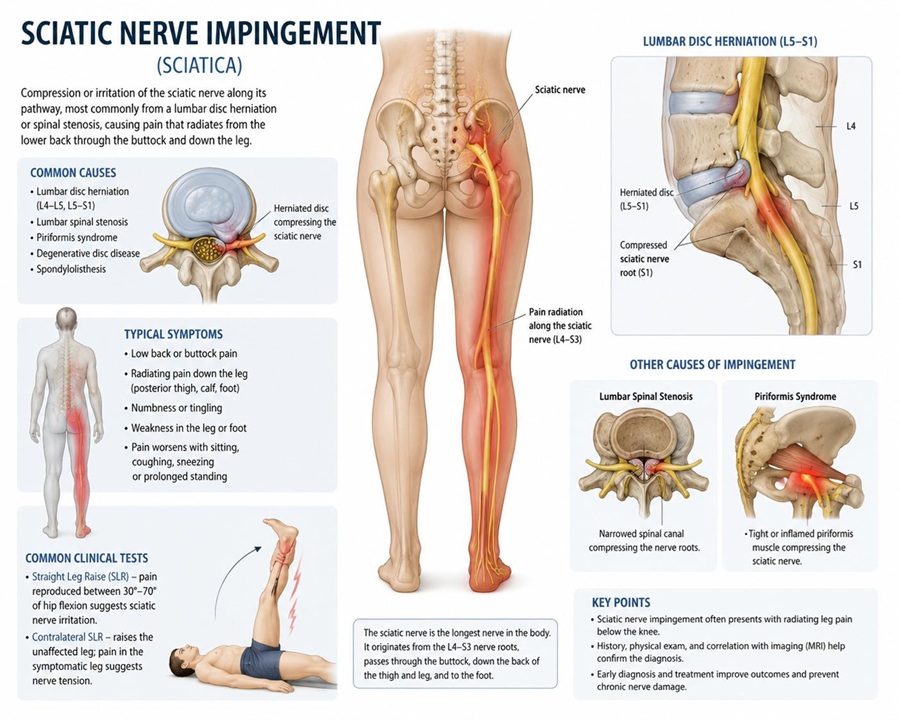
Sciatica is a condition caused by irritation or compression of the sciatic nerve, resulting in pain that travels from the lower back into the buttock, thigh, calf, and foot. Symptoms may include burning pain, numbness, tingling, weakness, or difficulty walking. At TAM Physio & Rehab Clinic, we identify the true source of your symptoms and provide personalized treatment plans based on the latest clinical evidence. Compression of the nerve can produce pain, numbness, tingling, burning sensations, or muscle weakness anywhere along its course. Sciatica itself is not a disease but a symptom of an underlying condition affecting the lumbar spine or surrounding tissues.
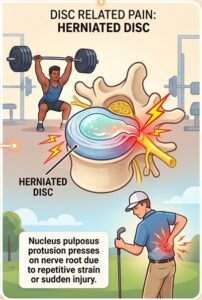
Lumbar Disc Herniation
The most common cause where a bulging or herniated disc compresses a spinal nerve root.
Lumbar Disc Herniation
The most common cause where a bulging or herniated disc compresses a spinal nerve root.
- Phone:+971 (50) 700 5472
- Email:info@tamphysioandrehab.com
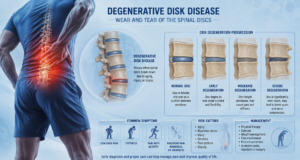
Degenerative Disc Disease
Age-related changes reduce disc height and irritate spinal nerves.
Degenerative Disc Disease
Age-related changes reduce disc height and irritate spinal nerves.
- Phone:+971 (50) 700-5472
- Email:info@tamphysioandrehab.com
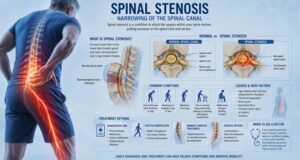
Lumbar Spinal Stenosis
Narrowing of the spinal canal compresses the sciatic nerve.
Lumbar Spinal Stenosis
Narrowing of the spinal canal compresses the sciatic nerve.
- Phone:+971 (50) 700-5472
- Email:info@tamphysioandrehab.com
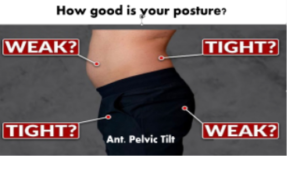
Muscle Imbalance and Poor Posture
Weak core muscles, prolonged sitting, poor lifting techniques, and sedentary lifestyles increase spinal stress.
Muscle Imbalance and Poor Posture
Weak core muscles, prolonged sitting, poor lifting techniques, and sedentary lifestyles increase spinal stress.
- Phone:+971 (50) 700-5472
- Email:info@tamphysioandrehab.com
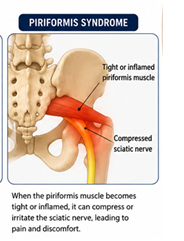
Piriformis Syndrome
A tight or inflamed piriformis muscle compresses the sciatic nerve in the buttock.
Piriformis Syndrome
A tight or inflamed piriformis muscle compresses the sciatic nerve in the buttock.
- Phone:+971 (50) 700-5472
- Email:info@tamphysioandrehab.com
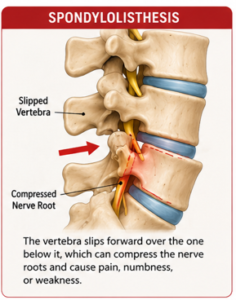
Spondylolisthesis
One vertebra slips over another, placing pressure on the nerve roots.
Spondylolisthesis
One vertebra slips over another, placing pressure on the nerve roots.
- Phone:+971 (50) 700-5472
- Email:info@tamphysioandrehab.com

Get assessed for your back pain today!
How We Diagnose Sciatica at 'TAM' Physio & Rehab Sharjah

Straight Leg Raise Test
- To Detect Nerve Root Irritation
- To Assess Neural Mechanosensitivity
- To Rule Out Serious Lumbar Pathology
- To Differentiate Nerve Pain From Tight Hamstrings
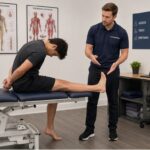
Slump Test done to assess
- nervous system's sensitivity
- Evaluate nerve pain
- spine's nerve roots are being inflamed
- Any compression by a herniated disc or sciatica.
Piriformis Syndrome Test
- The Sign: Deep, achy, or burning pain isolated to one side of the buttocks
- Tender to Deep Palpation Over the Sciatic Notch
- Pain Provoked by BOTH Passive Stretching AND Active Contraction

All theses tests we actually perform on each and every client visit to us for the back pain treatment
You Deserve a Pain Free Life!
Evidence-Based Sciatica Physical Therapy Treatments
Deep Tissue Release
Registered Massage Therapy
Our SHA Licensed Therapist outlined therapeutic massage treatment with 5-20 sessions depend on your condition
Frequently Asked Questions About Sciatica Treatment in Sharjah
1. What is sciatica?
Sciatica refers to pain caused by irritation or compression of the sciatic nerve or its nerve roots. It commonly produces pain that travels from the lower back or buttock into the leg and may be accompanied by numbness, tingling or weakness.Common causes include disc-related problems, spinal stenosis, spondylolisthesis and other conditions affecting the lower spine.
2. What are the common symptoms of sciatica?
Sciatica symptoms may include:Lower back or buttock painPain travelling down one legTingling or pins-and-needlesNumbnessMuscle weaknessDifficulty with prolonged sitting, standing or walking.
Symptoms can vary considerably from person to person, so an appropriate clinical assessment is important.
3. Can physiotherapy help with sciatica?
Yes. Physiotherapy can be an important part of managing sciatica. Depending on your assessment, treatment may include therapeutic exercises, mobility work, strengthening, movement education and selected manual therapy techniques.The goal is to reduce symptoms, improve movement and function, restore strength and help you return to your normal activities. Exercise and advice to remain active are recommended components of conservative management.
4. What does a physiotherapy assessment for sciatica involve?
A physiotherapist may assess:Your pain pattern and symptomsSpinal and hip movementMuscle strength and flexibilitySensation and neurological functionPosture and movement patternsWalking and functional activitiesRelevant orthopaedic and neurological testsThis assessment helps determine whether physiotherapy is appropriate and whether further medical investigation or referral is required.
5. What treatments may be used for sciatica at TAM Physio & Rehab?
Your treatment plan is individualized according to your symptoms and assessment findings. Depending on your condition, physiotherapy may include:Therapeutic exercisesCore and lower-limb strengtheningMobility and flexibility exercisesPostural and ergonomic correctionManual therapySoft-tissue and myofascial techniquesMovement retrainingHome exercise programsEducation on activity modification and safe movementThe emphasis is on an active rehabilitation approach rather than relying solely on passive treatment.
6. How many physiotherapy sessions will I need for sciatica?
There is no fixed number of sessions that is appropriate for everyone. The duration of treatment depends on factors such as the severity and duration of symptoms, neurological findings, physical function, response to treatment and individual goals.Your physiotherapist can reassess your progress and adjust the rehabilitation plan as you improve.
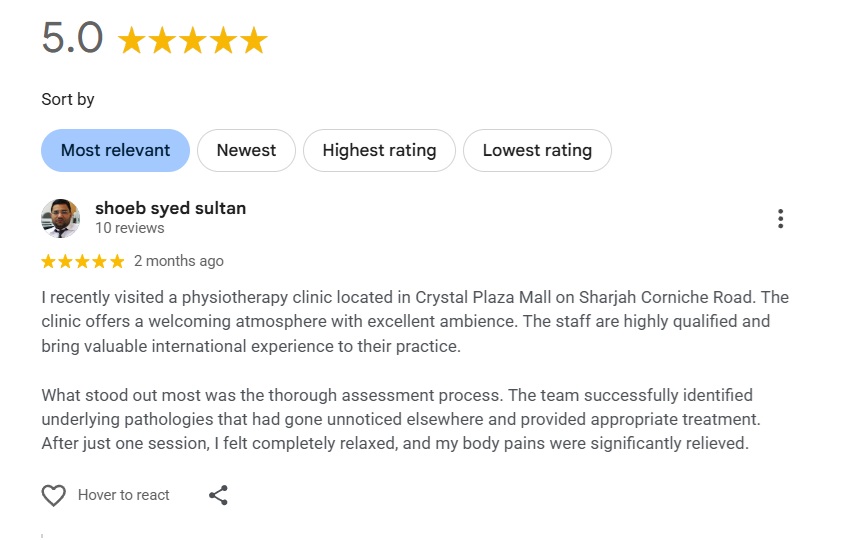
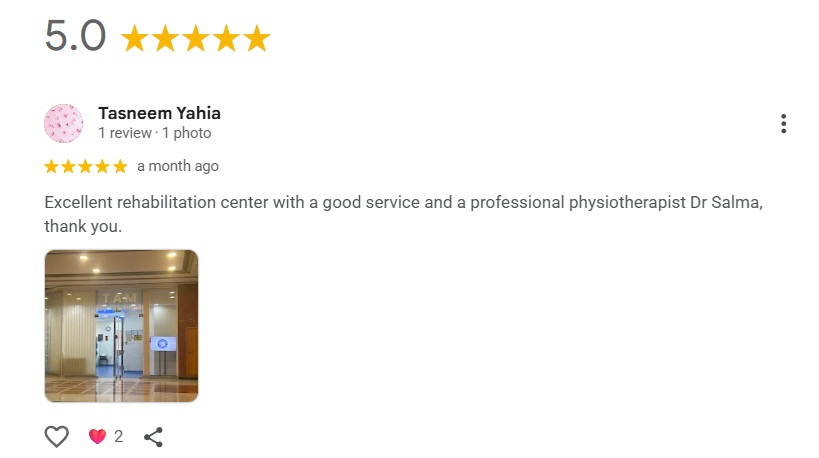
Our Satisfied Customers Reviews on Google

Useful Links
Subscribe Now
Don’t miss our future updates! Get Subscribed Today!
©2026. TAM Physio & Rehab. All Rights Reserved.