Most people in Sharjah don’t realize that jaw clicking, morning headaches, earaches without infection, or difficulty chewing are actually signs of Temporomandibular Joint (TMJ) Dysfunction. Because it develops slowly, many assume it’s stress or dental issue alone—but untreated TMJ can lead to chronic neck pain, vertigo, and even locked jaw.
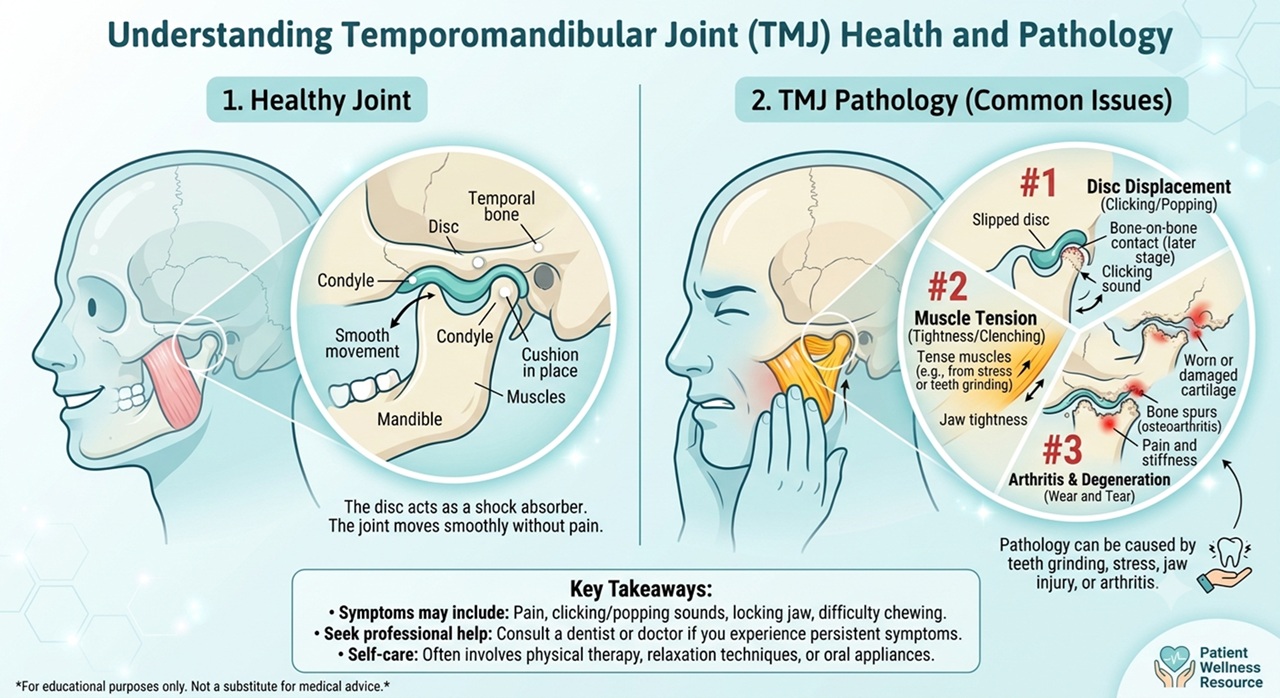
The Temporomandibular Joint (TMJ) connects your lower jaw (mandible) to your skull. It allows you to speak, chew, yawn, swallow, and move your jaw smoothly throughout the day.When this joint or the surrounding muscles become irritated, inflamed, or dysfunctional, it leads to Temporomandibular Joint Disorder (TMD).TMJ disorders can affect one or both sides of the jaw and often involve nearby muscles, ligaments, and even the cervical spine. Because the jaw and neck work closely together, dysfunction in one area frequently influences the other.
At Tam Physiotherapy & Rehab, we specialize in identifying the root cause. Unlike general clinics, our approach is built on SHA-licensed therapists who bring Canadian clinical experience in sports therapy. This means we treat your jaw like a high-performance joint—using evidence-based manual therapy, Neuromuscular techniques , intra-oral release, and posture correction.
No drugs or surgery – Natural, movement-based healing.
Sports therapy lens – We retrain muscle firing patterns, just like rehabbing an athlete’s shoulder.
Short, result-focused sessions – Designed for busy professionals and families in Sharjah.
Arabic & English speaking therapists available.
Common TMJ signs we treat:
Clicking/popping when opening mouth.Locking jaw (open or closed).
Facial pain or tension headaches.
Tinnitus (ringing in ears) or unexplained tooth pain.
Grinding teeth at night (bruxism).
What Causes TMJ Problems?
TMJ disorders rarely have a single cause. Our assessment considers multiple contributing factors, including:Teeth Grinding (Bruxism)Repeated clenching places excessive stress on the jaw muscles and joint.Poor PostureForward head posture from prolonged computer work or smartphone use increases tension throughout the jaw and neck.Muscle ImbalancesOveractive chewing muscles may restrict jaw movement and create painful trigger points.Stress-Related Jaw ClenchingEmotional stress often leads to unconscious jaw tightening throughout the day or during sleep.Sports or Accident InjuriesDirect trauma to the jaw, face, or neck may alter joint mechanics.Previous Dental ProceduresSome patients develop temporary or persistent jaw dysfunction after lengthy dental treatment.Neck DysfunctionRestricted cervical mobility frequently contributes to ongoing TMJ symptoms.
Our Comprehensive TMJ Assessment
Successful treatment begins with an accurate diagnosis.At Tam Physio & Rehab Clinic, every patient undergoes a detailed clinical assessment that may include: Jaw movement analysis mouth opening measurement Joint mobility assessment, muscle (Masseter) tenderness evaluation, neck and upper back examination. Postural assessment, functional movement testing Identification of clenching or grinding habits lifestyle and work-related risk factors. This comprehensive evaluation allows us to identify the true drivers of your symptoms instead of treating pain alone.
Our TMJ Physiotherapy Treatment Approach
Your treatment plan is tailored to your condition and may include:Hands-On Manual TherapyGentle mobilisation techniques improve joint movement while reducing stiffness and discomfort.Soft Tissue ReleaseTreatment focuses on tight jaw, facial, neck, and shoulder muscles contributing to pain.Trigger Point TherapyReleasing sensitive muscle knots helps reduce referred pain into the jaw, temples, and ears.Therapeutic ExercisesSpecific exercises improve jaw coordination, strength, stability, and mobility.Postural CorrectionCorrecting neck and upper back alignment reduces unnecessary stress on the temporomandibular joint.
Conditions We Commonly Treat
Our physiotherapists help patients with:
TMJ Disorder (TMD)
Jaw pain
Jaw clickingJaw locking
Bruxism-related muscle pain
Facial muscle tension
Cervicogenic headaches associated with TMJ
Neck pain related to jaw dysfunction
Postural jaw pain
Sports-related jaw injuries
Why Choose Tam Physio & Rehab Clinic?
Choosing the right clinic is about clinical expertise—not just appearance.At Tam Physio & Rehab Clinic, we focus on evidence-based rehabilitation backed by thorough assessment and personalised care.Our approach includes:Individualised treatment plansOne-to-one physiotherapy sessionsEvidence-based rehabilitation techniquesComprehensive movement assessmentRoot-cause focused treatmentPatient education for long-term recoveryHome exercise guidanceCollaborative care with dentists or medical specialists when requiredOur priority is helping you achieve lasting improvement rather than temporary symptom relief.
