Symptoms
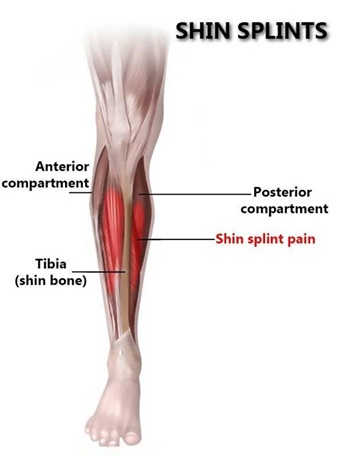
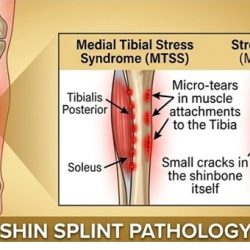
Pain Along the Shin: Pain is typically felt along the inner edge of the shinbone, but it can also occur in the front outer part of the leg . The pain may be sharp and razor-like or dull and throbbing . Activity-Related Pain: Pain often begins at the start of a workout, may lessen as activity continues, but typically worsens during and after exercise . Pain Relief with Rest: The discomfort usually diminishes significantly when you rest or stop the activity . Tenderness and Swelling: The affected area along the shin is often tender to the touch, and mild swelling may be present . Severe Cases: In more serious instances, pain may persist even when you are not walking
Important: If you experience severe pain that doesn't improve with rest, or if your shin is red and feels hot, consult a doctor immediately. This could indicate a different condition, such as a stress fracture
Symptoms
Pain Along the Shin: Pain is typically felt along the inner edge of the shinbone, but it can also occur in the front outer part of the leg . The pain may be sharp and razor-like or dull and throbbing . Activity-Related Pain: Pain often begins at the start of a workout, may lessen as activity continues, but typically worsens during and after exercise . Pain Relief with Rest: The discomfort usually diminishes significantly when you rest or stop the activity . Tenderness and Swelling: The affected area along the shin is often tender to the touch, and mild swelling may be present . Severe Cases: In more serious instances, pain may persist even when you are not walking
- Phone:+1 (859) 254-6589
- Email:info@example.com
Understanding the Causes
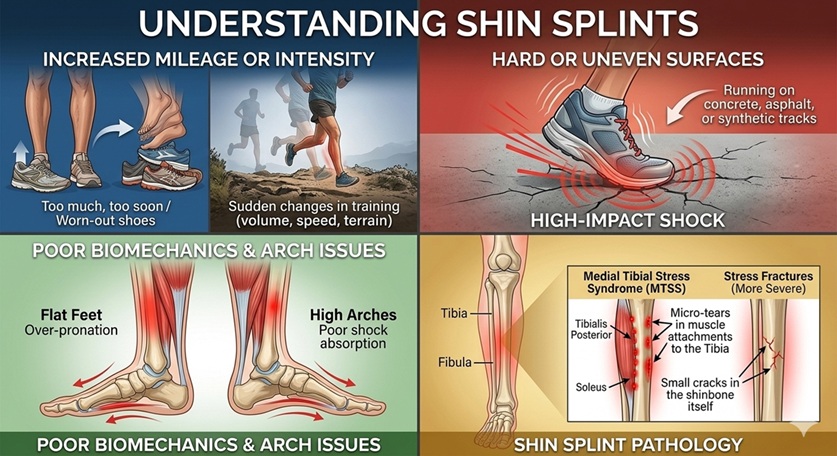
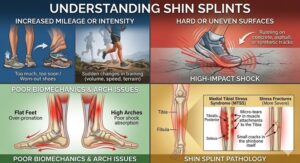
Sudden Changes in Activity: Increasing the frequency, duration, or intensity of your workouts too quickly is a leading cause . For example, suddenly running longer distances or adding hill training can trigger shin splints. High-Impact Repetitive Exercise: Activities with frequent stops and starts or high impact on hard surfaces, such as running on pavement, basketball, or military training, are common culprits . Biomechanical Issues: Having flat feet or very rigid arches can increase stress on the lower leg . Improper Footwear: Wearing worn-out shoes or shoes that don't offer adequate support for your foot type and activity is a major risk factor
Understanding the Causes
Sudden Changes in Activity: Increasing the frequency, duration, or intensity of your workouts too quickly is a leading cause . For example, suddenly running longer distances or adding hill training can trigger shin splints. High-Impact Repetitive Exercise: Activities with frequent stops and starts or high impact on hard surfaces, such as running on pavement, basketball, or military training, are common culprits . Biomechanical Issues: Having flat feet or very rigid arches can increase stress on the lower leg . Improper Footwear: Wearing worn-out shoes or shoes that don't offer adequate support for your foot type and activity is a major risk factor
- Phone:+1 (859) 254-6589
- Email:info@example.com
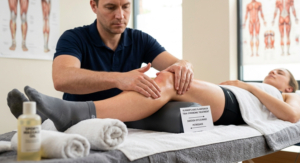
Comprehensive Therapeutic Treatment Options
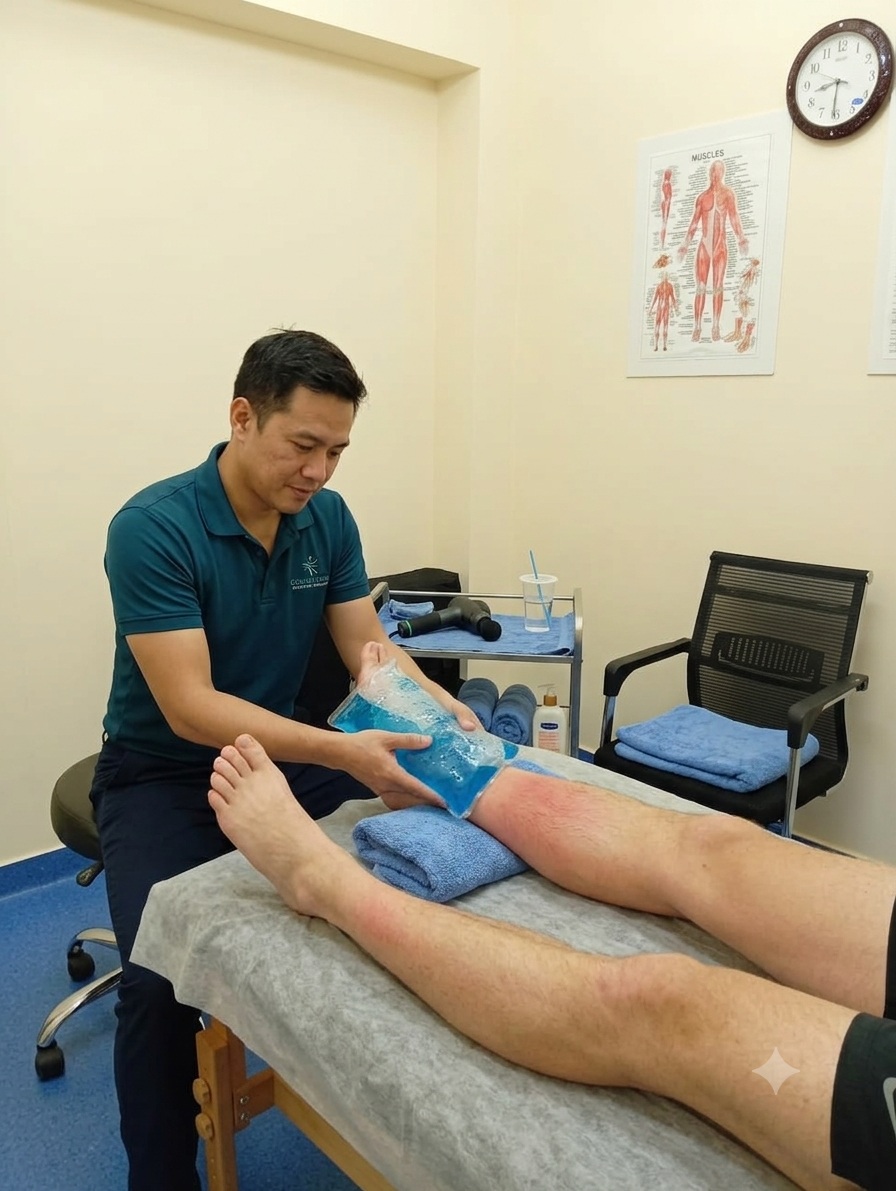
1. The Initial Stage: Rest, Ice, and Activity Modification The cornerstone of treating shin splints is reducing stress on the affected tissues. This requires: Relative Rest: Stop activities that cause pain. Expect to rest for at least 2 to 4 weeks before slowly returning to your sport. It can take 3 to 6 months for shin splints to fully heal . To maintain your fitness, consider low-impact alternatives like swimming or cycling that don't strain your shins . Ice Therapy: Apply ice packs to the affected shin for 15 to 20 minutes at a time, 3 to 4 times a day. Always wrap ice packs in a thin towel to protect your skin . Pain Relief: Nonsteroidal anti-inflammatory drugs (NSAIDs) like ibuprofen can help reduce pain and swelling. Always talk to your doctor about using these medications .
Comprehensive Therapeutic Treatment Options
1. The Initial Stage: Rest, Ice, and Activity Modification The cornerstone of treating shin splints is reducing stress on the affected tissues. This requires: Relative Rest: Stop activities that cause pain. Expect to rest for at least 2 to 4 weeks before slowly returning to your sport. It can take 3 to 6 months for shin splints to fully heal . To maintain your fitness, consider low-impact alternatives like swimming or cycling that don't strain your shins . Ice Therapy: Apply ice packs to the affected shin for 15 to 20 minutes at a time, 3 to 4 times a day. Always wrap ice packs in a thin towel to protect your skin . Pain Relief: Nonsteroidal anti-inflammatory drugs (NSAIDs) like ibuprofen can help reduce pain and swelling. Always talk to your doctor about using these medications .
- Phone:+1 (859) 254-6589
- Email:info@example.com
Comprehensive Therapeutic Treatment Options
2. Physiotherapy Treatment Working with a physiotherapist is one of the most effective ways to treat shin splints and prevent them from returning. A physiotherapist can provide personalized care, including : Targeted Stretching and Strengthening: Focusing on improving flexibility in the calf muscles (gastrocnemius and soleus) and strengthening the muscles in the front of the leg (tibialis anterior) and core/hip muscles is crucial for improving running mechanics . Biomechanical Correction: A physiotherapist can analyze your gait and running style for issues like overpronation, which can contribute to shin splints, and recommend corrective strategies or orthotics . Manual Therapy: Soft tissue mobilization and other hands-on techniques can help release muscle tension and improve blood flow .
Comprehensive Therapeutic Treatment Options
2. Physiotherapy Treatment Working with a physiotherapist is one of the most effective ways to treat shin splints and prevent them from returning. A physiotherapist can provide personalized care, including : Targeted Stretching and Strengthening: Focusing on improving flexibility in the calf muscles (gastrocnemius and soleus) and strengthening the muscles in the front of the leg (tibialis anterior) and core/hip muscles is crucial for improving running mechanics . Biomechanical Correction: A physiotherapist can analyze your gait and running style for issues like overpronation, which can contribute to shin splints, and recommend corrective strategies or orthotics . Manual Therapy: Soft tissue mobilization and other hands-on techniques can help release muscle tension and improve blood flow .
- Phone:+1 (859) 254-6589
- Email:info@example.com
Comprehensive Therapeutic Treatment Options
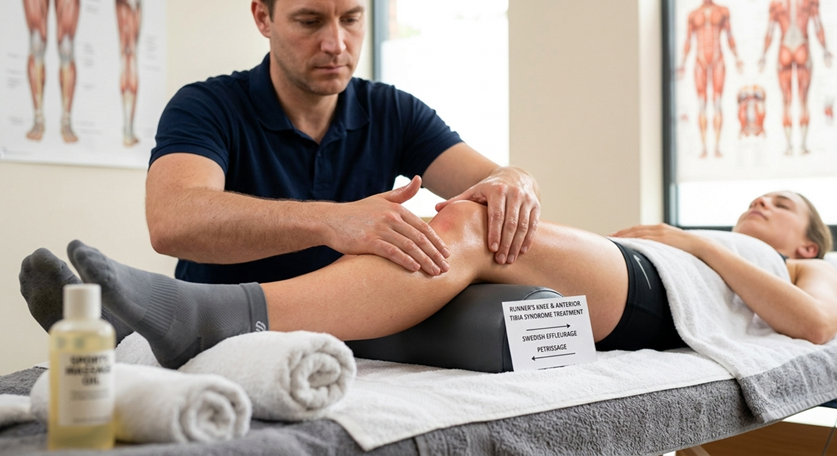
3. Therapeutic Massage Massage can be a valuable tool in shin splint recovery, particularly for easing muscle tension and improving circulation . However, it requires caution: Gentle Application: Gentle massage to the surrounding calf muscles can help ease tightness. Massaging the bone itself too aggressively can worsen symptoms . Role in Recovery: When performed correctly by a qualified therapist, massage helps improve blood flow, facilitating faster healing of the affected muscles and connective tissues . Key to Success: Accurate diagnosis is vital. If massage worsens the pain, stop and seek a physiotherapist's assessment .
Comprehensive Therapeutic Treatment Options
3. Therapeutic Massage Massage can be a valuable tool in shin splint recovery, particularly for easing muscle tension and improving circulation . However, it requires caution: Gentle Application: Gentle massage to the surrounding calf muscles can help ease tightness. Massaging the bone itself too aggressively can worsen symptoms . Role in Recovery: When performed correctly by a qualified therapist, massage helps improve blood flow, facilitating faster healing of the affected muscles and connective tissues . Key to Success: Accurate diagnosis is vital. If massage worsens the pain, stop and seek a physiotherapist's assessment .
- Phone:+971 (050) 700-5472
- Email:medclinic360@gmail.com
Comprehensive Therapeutic Treatment Options
4. Hot Water Hydrotherapy Hydrotherapy uses water to aid recovery and can be an excellent addition to a shin splint treatment plan: Low-Impact Exercise: Water provides buoyancy, allowing you to exercise (like walking or running in a pool) without placing weight-bearing stress on your shins . This helps maintain cardiovascular fitness while your injury heals. Therapeutic Heat: Contrast therapy—alternating between hot and cold water—can promote blood flow and reduce inflammation. Warm water can help relax muscles and prepare them for stretching, while cold water reduces swelling.
Comprehensive Therapeutic Treatment Options
4. Hot Water Hydrotherapy Hydrotherapy uses water to aid recovery and can be an excellent addition to a shin splint treatment plan: Low-Impact Exercise: Water provides buoyancy, allowing you to exercise (like walking or running in a pool) without placing weight-bearing stress on your shins . This helps maintain cardiovascular fitness while your injury heals. Therapeutic Heat: Contrast therapy—alternating between hot and cold water—can promote blood flow and reduce inflammation. Warm water can help relax muscles and prepare them for stretching, while cold water reduces swelling.
- Phone:+971 (50)700 5472
- Email:medclinic360@gmail.com