
Sports Injury Rehabilitation in Sharjah

Recover Faster. Move Better. Return to Sports Safely.

SHA Licensed Physiotherapists with International Canadian Sports Therapy Experience Helping Athletes Recover Faster, Prevent Injuries, and Return to Peak Performance.

The Power of Science in Motion: Why Evidence-Based Sports Physiotherapy Matters

Having an International Sports Physiotherapist manage your recovery brings a world-class standard of clinical precision to your rehabilitation journey. Here is why international training and expertise make all the difference in treating and training through a sports injury:

Clinical Standard: At TAM Physio & Rehab, we combine international standards of manual therapy with evidence-based sports protocols to ensure your return to the sport you love is fast, safe, and permanent.

SVG Image showing hypothesis

Evidence Based Sports Physiotherapy
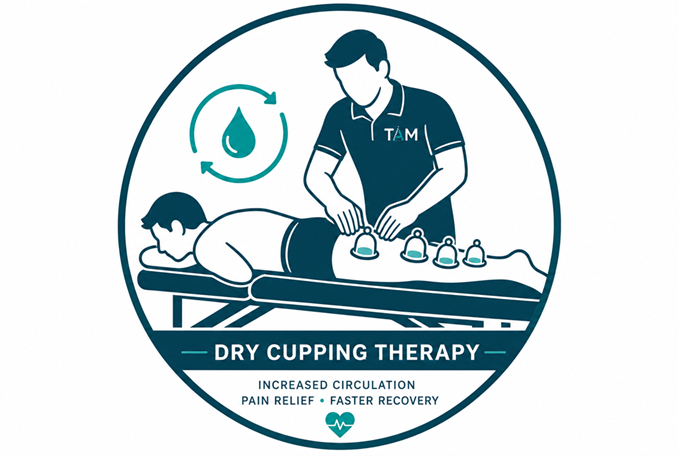
In modern athletic recovery, there is no room for guesswork. Evidence-Based Sports Physiotherapy is the systematic integration of the latest, high-quality clinical research, hands-on clinical expertise, and your unique athletic goals. Precision over Trends: Instead of relying on passive, temporary treatments or clinical "fads," every diagnostic assessment and therapeutic modality is backed by proven physiological science to target the root cause of your pain. Accelerated, Safe Recovery: Utilizing clinically proven, active rehabilitation pathways ensures you recover faster, regain joint stability, and rebuild muscle balance without risking premature re-injury. A Shield Against Re-Injury: By analyzing your movement biomechanics through a scientific lens, we don't just treat your current injury—we correct underlying imbalances to prevent future setbacks and elevate your athletic longevity. No Short-Cuts, Real Performance: It shifts the focus from masking symptoms (like temporary pain-killers or self-medication) to active tissue healing, restoring your natural mobility, and optimizing your competitive edge.
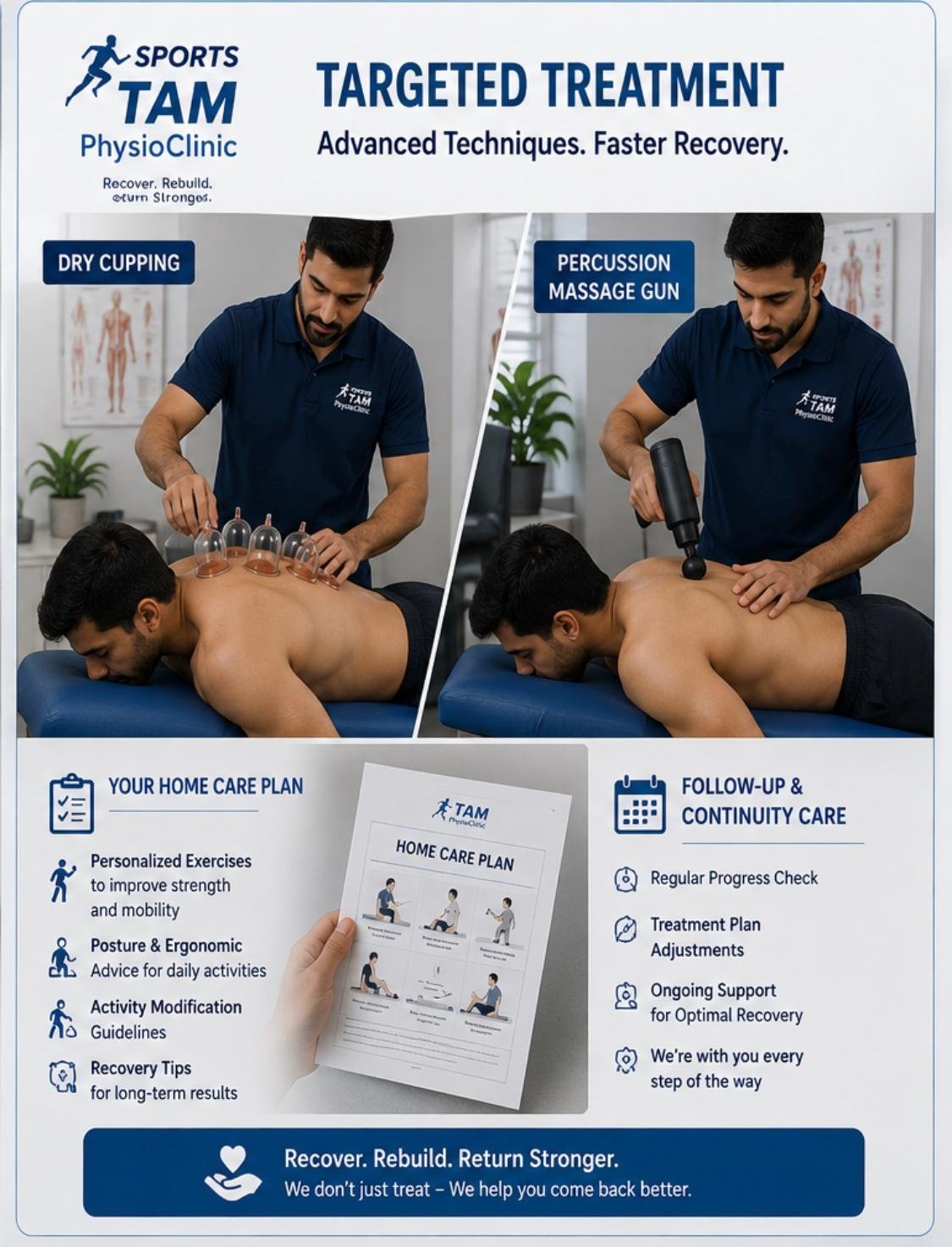
Dry Cupping Therapy To boost localized circulation support faster healing of sports injury

Dedicated to Your 100%. Engineered for Your Peak Performance.
As an athlete, you never give less than everything. You push boundaries, embrace the grind, and demand the absolute best from your body. At TAM Sport Physio Clinic, we believe your recovery team should work just as hard as you do. We don’t believe in generic treatments or passive machines. Our internationally experienced sports therapists bring advanced, hands-on clinical standards directly to your recovery: Targeted Orthopedic Assessments: We begin with precise, sport-specific clinical findings to pinpoint the exact biomechanical demands and vulnerabilities of your discipline. Targeted Manual Neuromuscular Therapy: We apply highly specialized, hands-on manual techniques to release deep tissue tension, restore natural joint mechanics, and address the root cause of restriction. Supportive Dry Cupping Therapy: By utilizing targeted dry cupping, we rapidly boost localized blood circulation (inducing therapeutic erythema) to accelerate tissue healing, relieve muscle fatigue, and restore structural mobility. You put in the hours to win; we provide the elite, honest, and evidence-based care to make sure your body is ready to deliver.
Icon illustrating winning performance in sports demand international sports physiotherapist F

Global Expertise. Winning Performance.

As an athlete, you never give less than everything. You push boundaries, embrace the grind, and demand the absolute best from your body. At TAM Sport Physio Clinic, we believe your recovery team should work just as hard as you do. We don’t believe in generic treatments or passive machines. Our internationally experienced sports therapists bring advanced, hands-on clinical standards directly to your recovery: Targeted Orthopedic Assessments: We begin with precise, sport-specific clinical findings to pinpoint the exact biomechanical demands and vulnerabilities of your discipline. Targeted Manual Neuromuscular Therapy: We apply highly specialized, hands-on manual techniques to release deep tissue tension, restore natural joint mechanics, and address the root cause of restriction. Supportive Dry Cupping Therapy: By utilizing targeted dry cupping, we rapidly boost localized blood circulation (inducing therapeutic erythema) to accelerate tissue healing, relieve muscle fatigue, and restore structural mobility. You put in the hours to win; we provide the elite, honest, and evidence-based care to make sure your body is ready to deliver.

Don't just mask the pain—rebuild your movement.

What is Sports Physiotherapy?

Sports Physiotherapy is a specialized branch of physiotherapy that focuses on preventing, assessing and treating sports-related injuries.Whether you are a professional athlete, recreational player or fitness enthusiast, sports physiotherapy helps to:
- Reduce pain
- Restore mobility
- Improve strength
- Prevent future injuries
- Enhance sports performance
- Return to sports safely
Sports injuries can happen during football, cricket, running, gym workouts or everyday exercise.
At TAM Physio & Rehab Clinic in Sharjah, our sports physiotherapists provide evidence-based rehabilitation programs that reduce pain, restore strength and help you safely return to sports.
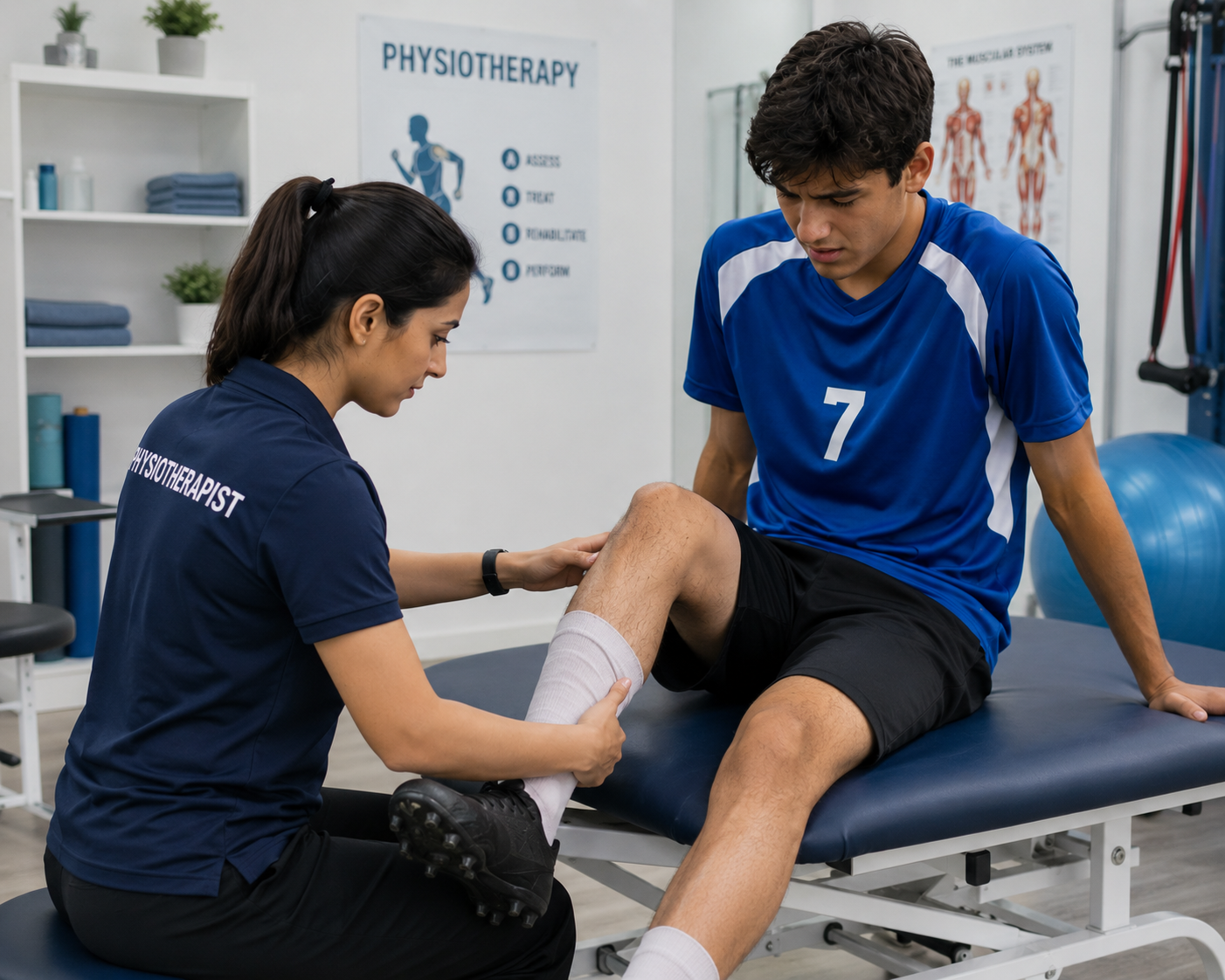
Sports physiotherapist treating a football player during rehabilitation at physiotherapy clinic in Sharjah

We Treat the Following Sports Injuries
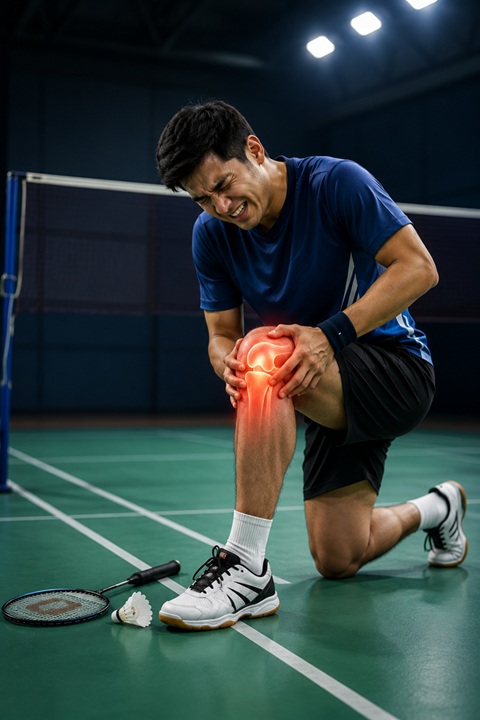
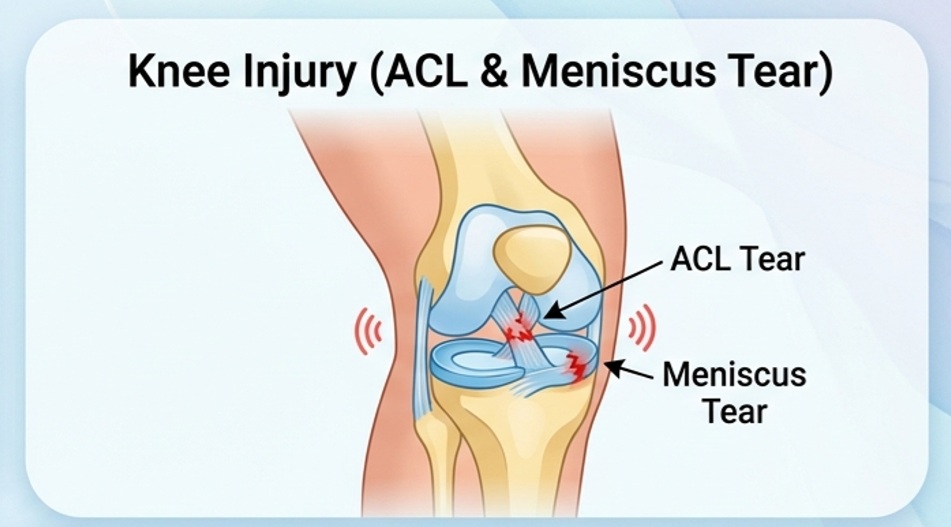
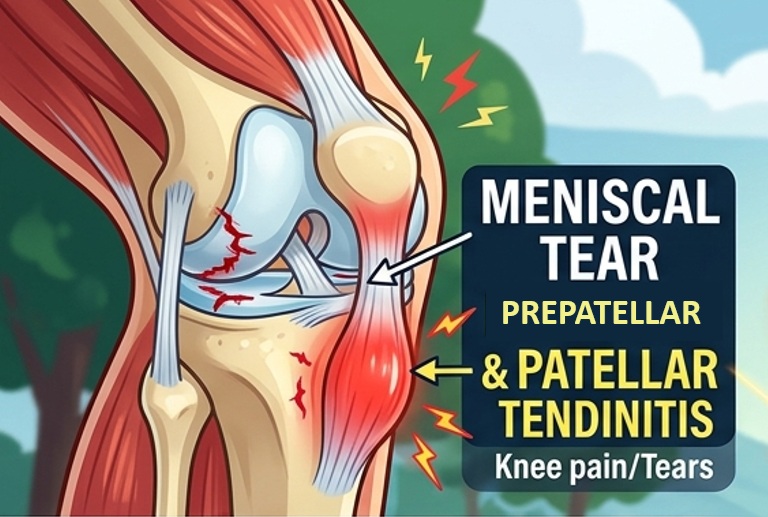
Sports Don’t Destroy Knees. Weak Muscles Destroy Knees.”

Sports Injury most of the times occurs due to weak, inactivate muscles suddenly tend to become active it get strain or muscle pull that needs to be treated

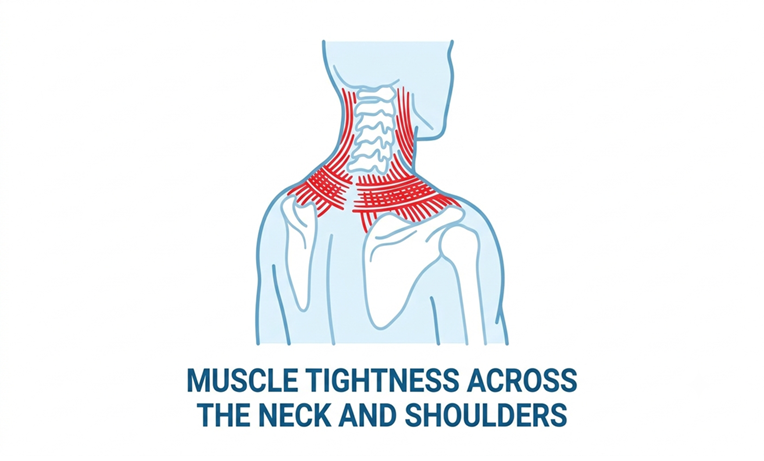
Is Low Back Pain Bothering You?

Get Treated from Canadian Expert RMT at TAM Physio & Rehab Clinic.

 
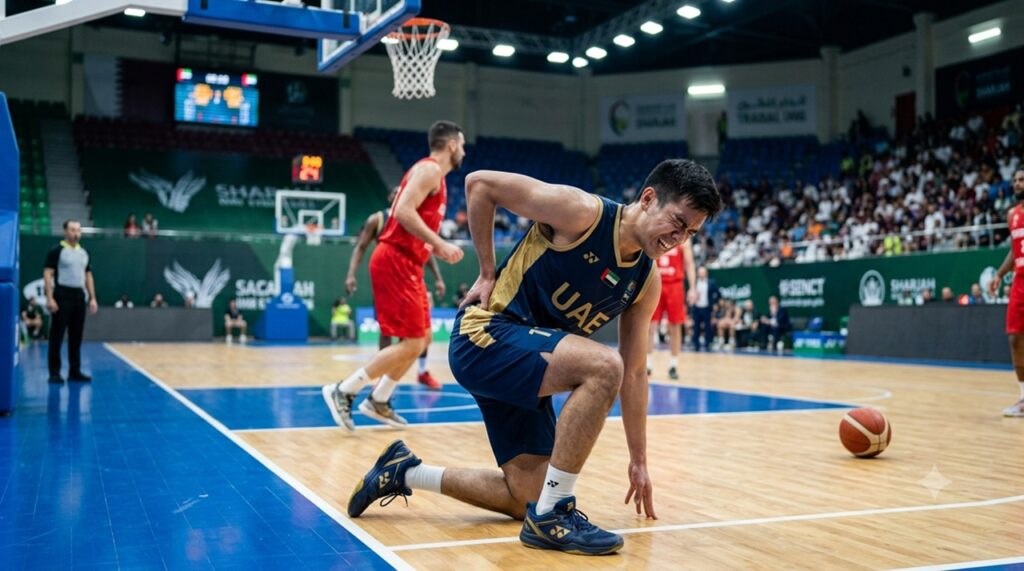
Basketball player gets low back pain during play

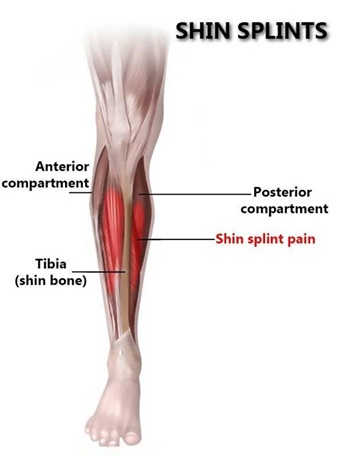
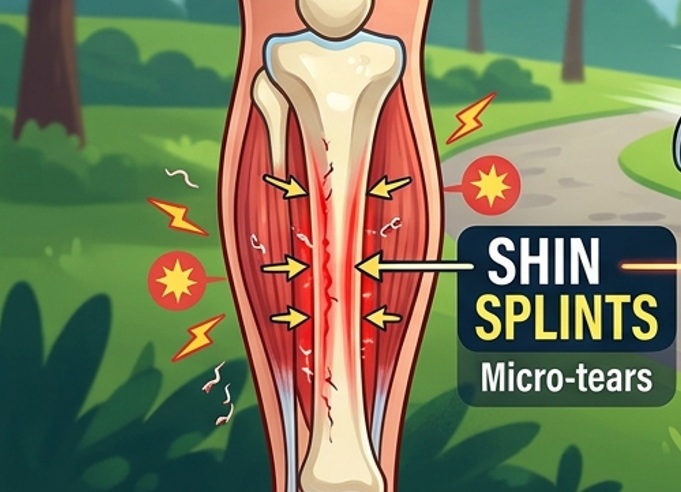
Are You Suffering from Runners Knee (Shin Splint?)

Get Treated from Canadian Expert RMT at TAM Physio & Rehab Clinic-Sharjah


Most Common Sports Injuries of Foot

At TAM Physio & Rehab Clinic we treat most Common Injuries of the Foot with Evidence Based Physiotherapy Treatment

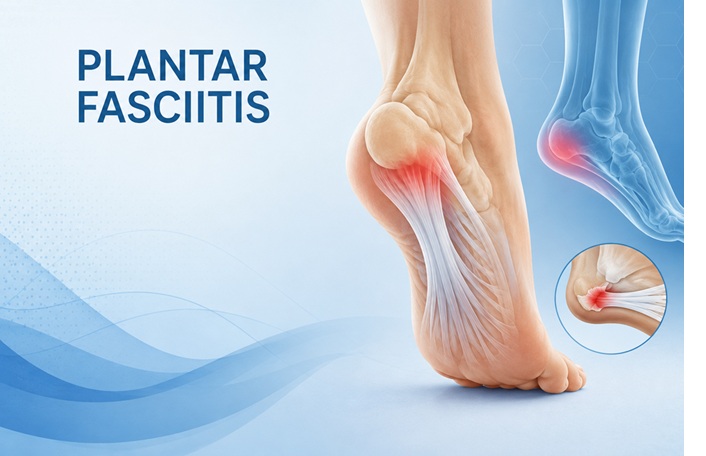
Physiotherapist treating plantar fasciitis heel pain patient in Sharjah
What is Plantar Fascitis?
Plantar fasciitis is a common cause of heel pain that can limit daily activities. At TAM Physio & Rehab Centre Sharjah, we provide evidence-based physiotherapy and massage therapy to relieve pain, restore mobility, and help you stay active.
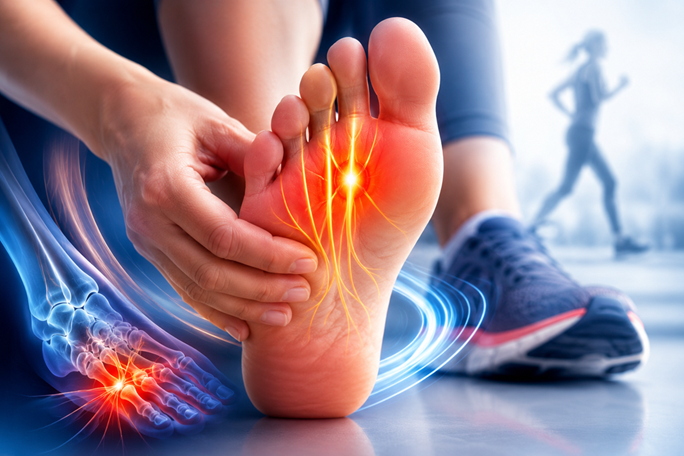
Foot pain assessment for Morton's Neuroma at Tam Physio & Rehab
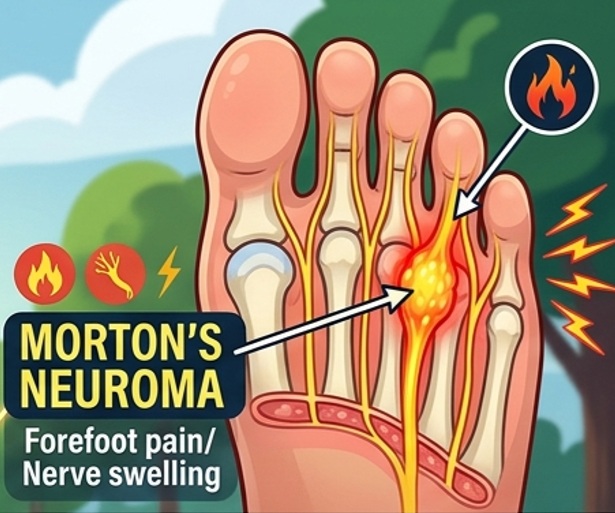
Morton's Neuroma
Morton's Neuroma is a painful condition involving thickening and irritation of the tissue surrounding a nerve between the toes, most commonly between the third and fourth toes. This irritation can cause nerve compression, leading to pain, burning sensations, numbness, and tingling in the forefoot.
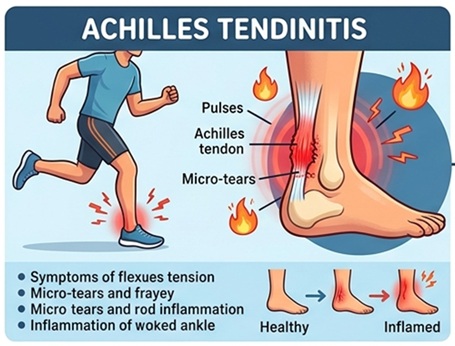
Physiotherapist treating achilis tendinitis with rehabilitation exercises
Achilis Tendinitis
Do you know how to add image box in WordPress website with elementary. Download Elementskit.
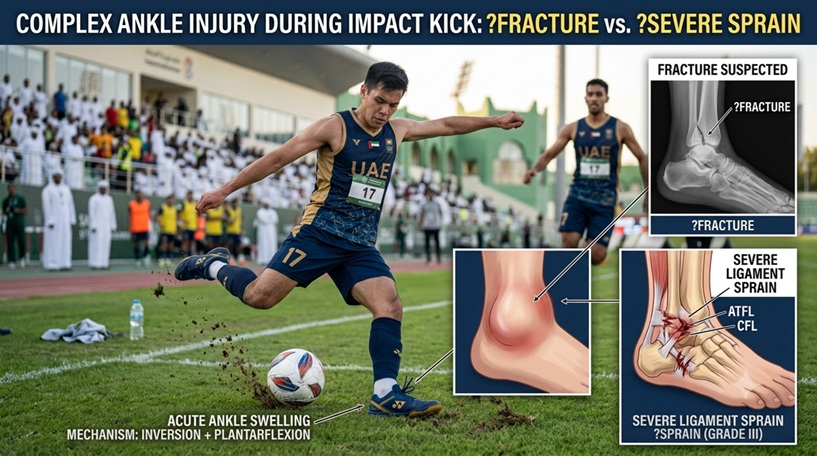
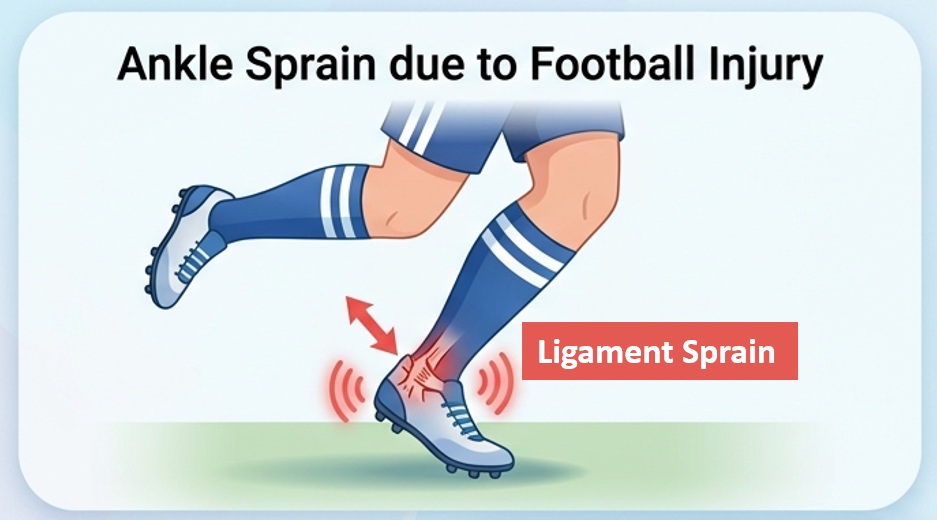
Football player developed lateral ankle sprain which can be treated at TAM Sports Physio Majaz1-Sharjah UAE
Lateral Ankle Sprain
A lateral ankle sprain is one of the most common injuries in football, typically occurring when a player lands awkwardly after jumping, changes direction rapidly, or is tackled, causing the foot to roll inward (inversion).
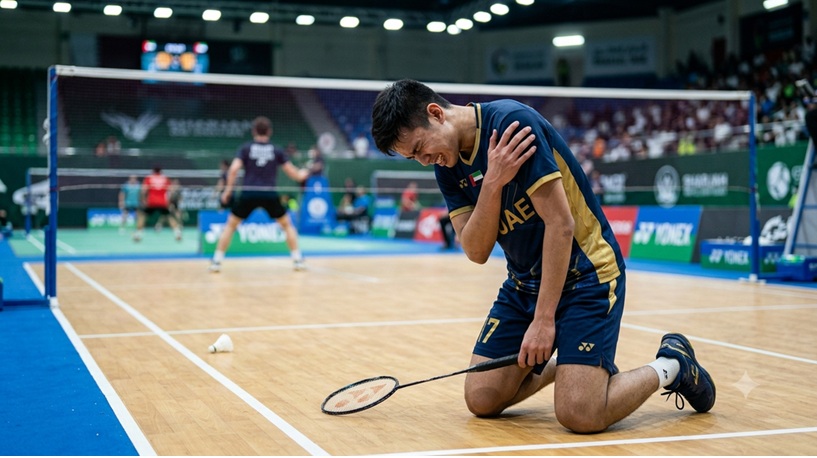
Badminton player get shoulder pain after a smash

SHOULDER PAIN

Personalized Shoulder Care with Evidence-Based Treatment at Tam Physio & Rehab

Personalized Physiotherapy & Rehabilitation Services

At TAM Physio & Rehab, we believe that successful treatment begins with an accurate assessment, not guesswork. Our licensed physiotherapists combine evidence-based practice, advanced manual therapy techniques, and personalized rehabilitation programs to help patients recover from pain, restore mobility, and improve their quality of life. Whether you are recovering from an injury, managing chronic pain, or seeking preventive care, our goal is to identify the root cause of your condition and provide long-lasting results.

Why Patients Trust TAM Physio & Rehab

Your chief complaint may be one or two things—knee pain, a stiff shoulder. But we know the body doesn't work in isolation. Thousands of patients choose TAM Physio & Rehab because we prioritize clinical excellence, compassionate care, and measurable outcomes. Every treatment plan is customized to the patient's condition, lifestyle, and recovery goals. Our focus is not only on relieving pain but also on restoring movement, preventing recurrence, and helping patients return confidently to work, sports, and everyday activities.

Advanced Manual Therapy Techniques

Manual therapy is one of the most effective ways to reduce pain, restore joint mobility, and improve soft tissue function. Our physiotherapists use advanced hands-on techniques including joint mobilization, soft tissue release, myofascial release, trigger point therapy, and neuromuscular techniques to promote faster recovery and improve movement without relying solely on medication.

SHA Licensed Physiotherapists

SHA Licensed Physiotherapists We’re MOH Licensed Physiotherapists and rehabilitation experts with international qualifications and advanced physiotherapy and massage therapy qualifications, our team passionate about delivering high-quality solutions to our clients. With a focus on creativity and innovation, we strive to make a positive impact in our industry. Our journey began with a simple idea: to provide exceptional service and build lasting relationships. Each project reflects our commitment to excellence and integrity.

Conditions We Treat...

Muscle Injuries We Treat...
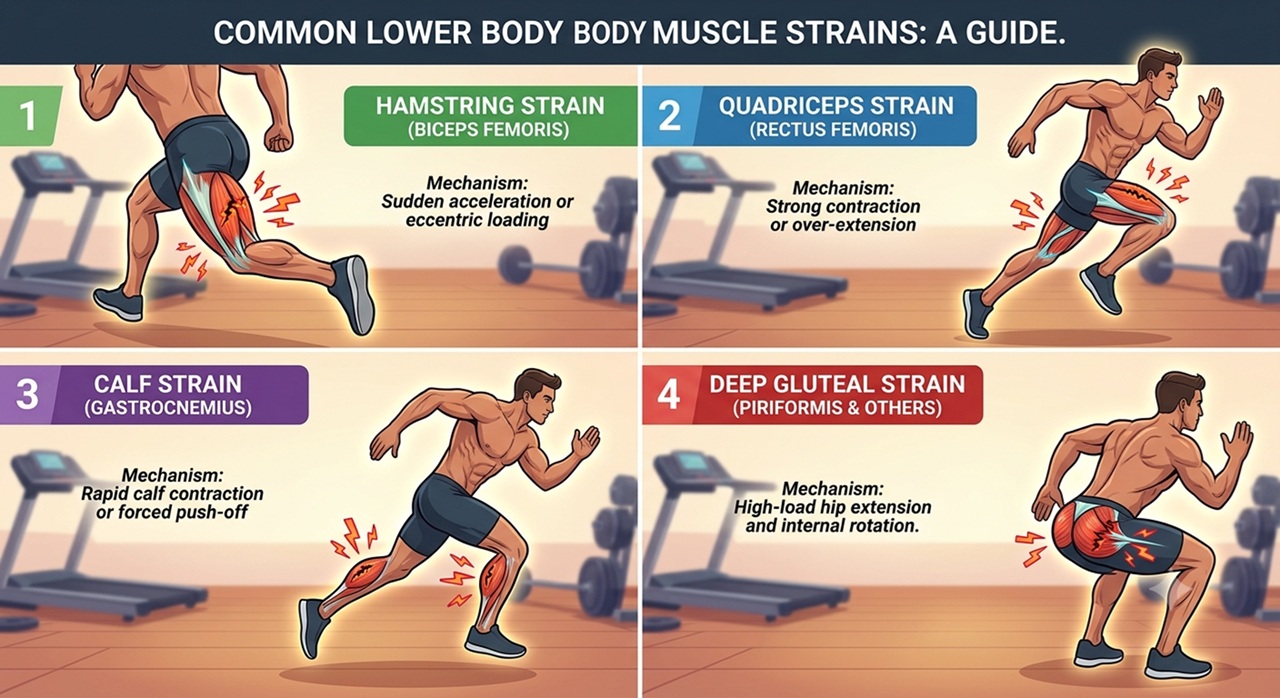
Muscle Injuries Strains

Spine & Back Conditions

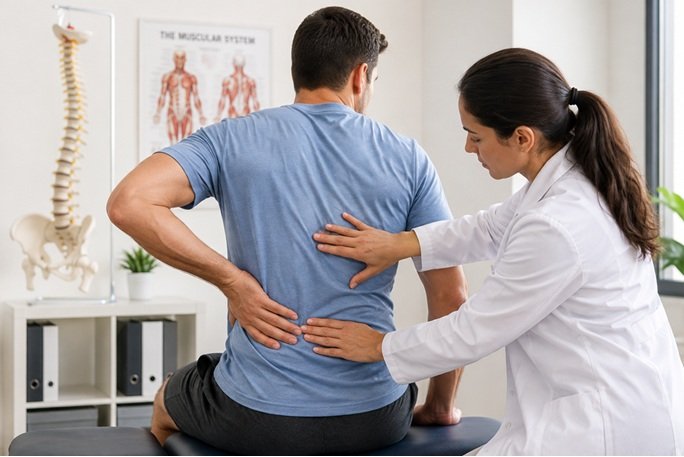
Physiotherapist treating sports-related back pain and spinal dysfunction

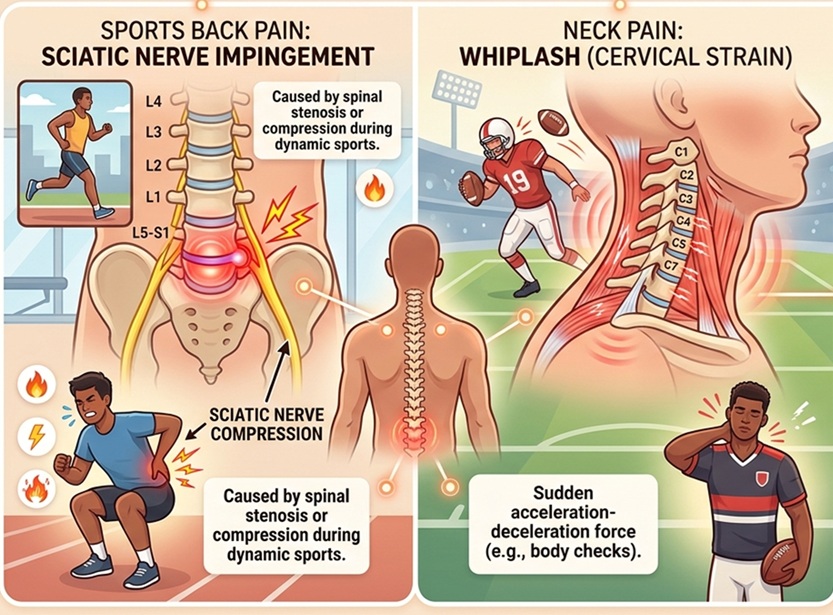
Sports & Backpain:

Intervertebral discs act as cushions between the bones of the spine. When a disc becomes damaged or bulges, it may cause pain in the neck or back and sometimes compress nearby nerves. Symptoms vary depending on the location and severity of the condition and may include pain, numbness, or weakness. Physiotherapy aims to improve spinal mobility, strengthen supporting muscles, and help patients return to normal activities safely.
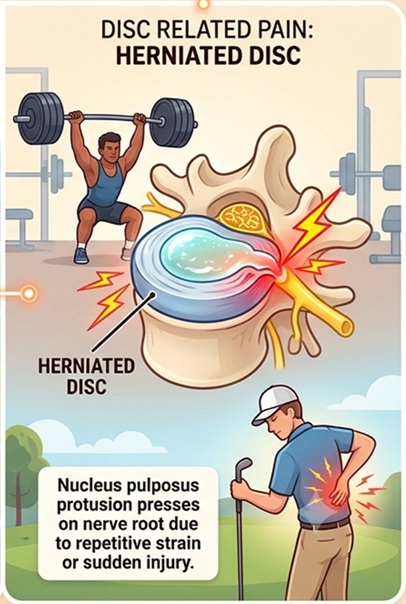
Physiotherapist treating disc-related back pain with manual therapy

Nucleus pulposus sciatic nerve impingement due to weak muscles describes a domino effect where poor muscular support directly leads to a herniated disc that pinches the sciatic nerve.When core and stabilizing muscles fail to do their job, the spine takes on excessive, unmitigated mechanical stress. Over time, this forces the jelly-like center of a spinal disc to push outward, compressing the nerve root and causing radiating pain down the leg.Here is a breakdown of how muscle weakness triggers this specific pathology:
1. The Core Weakness (The Root Cause)The spine relies on a muscular "corset" for stability during movement. Key muscle groups include:
Deep Core Stabilizers: The transversus abdominis and multifidus.
Gluteal Muscles: Gluteus maximus and medius.
Pelvic Floor and Erector Spinae.
When these muscles are weak or poorly conditioned, they fail to maintain neutral spinal alignment. Instead of sharing the load during lifting, twisting, or even prolonged sitting, the muscles shift the entire mechanical burden directly onto the passive structures of the spine—specifically the vertebrae and intervertebral discs.
2. Nucleus Pulposus Protrusion (The Structural Shift)An intervertebral disc consists of a tough, fibrous outer ring called the annulus fibrosus and a soft, gelatinous center called the nucleus pulposus.Increased Intradiscal Pressure: Without muscular support, the spinal segments experience micro-instability and uneven compression.


The Herniation: Under continuous or sudden mechanical stress (like lifting with a weak core), the annulus fibrosus develops micro-tears. The gelatinous nucleus pulposus is squeezed outward through these tears, protruding beyond its normal boundaries.
3. Sciatic Nerve Impingement (The Neurological Consequence)The sciatic nerve is formed by nerve roots exiting the lumbar and sacral spine (L4 to S3).
Mechanical Compression: The displaced nucleus pulposus physically presses against the adjacent nerve root (commonly at the L4−L5 or L5−S1 levels).
Chemical Inflammation: The nucleus pulposus contains inflammatory proteins. When it ruptures outside its protective ring, it chemically irritates the nerve root, exacerbating the pain.

Clinical Presentation (Sciatica)This combination results in classic sciatica symptoms, which typically present unilaterally (on one side.
Radiating Pain: Sharp, burning, or electric-shock-like pain traveling from the lower back, through the gluteal region, and down the back of the thigh and calf.
Neurological Deficits: Numbness, tingling ("pins and needles"), or localized muscle weakness (such as difficulty with foot dorsiflexion, commonly known as foot drop)
Postural Aggravation: Pain typically worsens with prolonged sitting, forward bending, or coughing, as these positions increase intradiscal pressure.Conservative Management StrategyBecause muscle weakness is the underlying driver, long-term resolution focuses heavily on active rehabilitation rather than just passive symptom relief.
Active Rehabilitation
Core Stabilization: Progressive, non-flexion-biased core exercises (such as the Bird-Dog, Planks, or McGill Big 3) to build endurance in the stabilizing musculature without loading the disc.
Gluteal Activation: Strengthening the gluteal complex to stabilize the pelvis and reduce the workload on the lumbar erector spinae.
Kinesthetic Awareness: Retraining movement patterns and lifting mechanics to ensure muscles properly absorb forces during daily activities.Manual and Adjunctive Therapies
Targeted Decompression: Techniques or positions (like gentle extension exercises if indicated by directional preference) to help reduce central intradiscal pressure.
Myofascial Release: Addressing compensatory muscle guarding in the lower back, piriformis, and hamstrings to restore normal tissue mobility.
Patient Education: Empathizing the importance of lifestyle modifications, posture correction, and regular movement to avoid static overload on the healing disc.
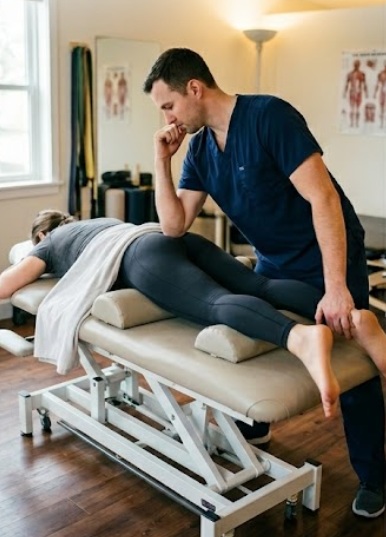
Physiotherapist treating lower body neuromuscular techniques lower back pain with manual therapy
Scroll to Top
SEO by Smart SEO Booster