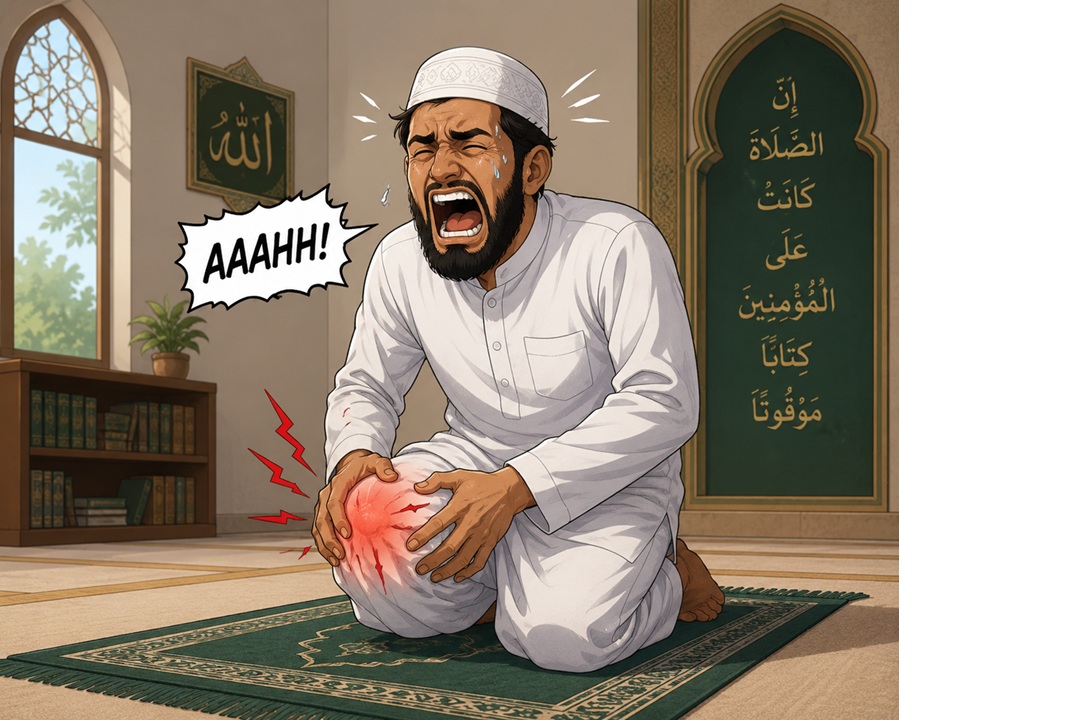
don't let knee pain keep you away from prayers

Perform Your Prayers Pain-Free Now!

Knee Pain Treatment in Sharjah

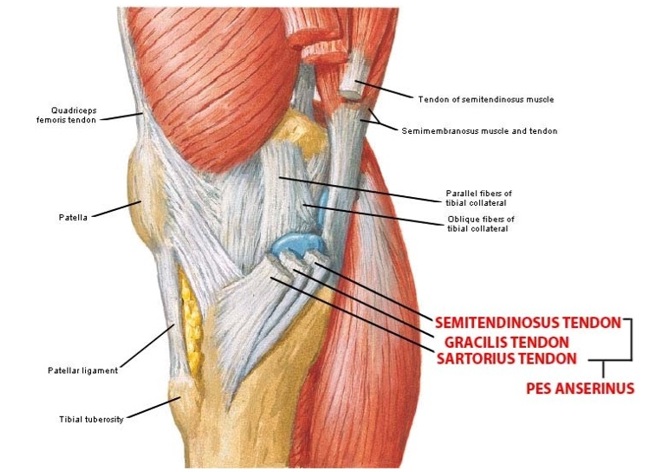
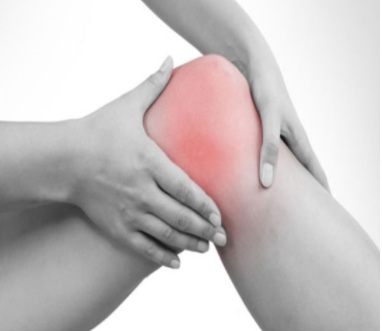
Knee pain is one of the most common musculoskeletal conditions affecting people of all ages. It can develop suddenly after a sports injury or accident, or gradually over time due to wear and tear of the joint. The knee is a complex joint made up of bones, cartilage, ligaments, tendons, and muscles that work together to provide stability and movement. Injury or degeneration of any of these structures can lead to pain, swelling, stiffness, and difficulty performing daily activities.

Causes of Knee Pain

At TAM Physio & Rehab Clinic, we provide comprehensive assessment and evidence-based treatment for both acute and chronic knee conditions. Our experienced physiotherapists perform detailed posture analysis, gait assessment, joint mobility evaluation, muscle strength testing, and specialized orthopedic tests to identify the root cause of your knee pain. Based on your diagnosis, we create an individualized rehabilitation program to relieve pain, restore function, and help you return to your active lifestyle safely.Whether your symptoms are caused by osteoarthritis, ligament injuries, sprains, sports injuries, or overuse conditions, early assessment and appropriate treatment can significantly improve recovery and long-term joint health.

SPORTS & KNEE PAIN - Sports don't destroy knees. Weak muscles destroy knees.
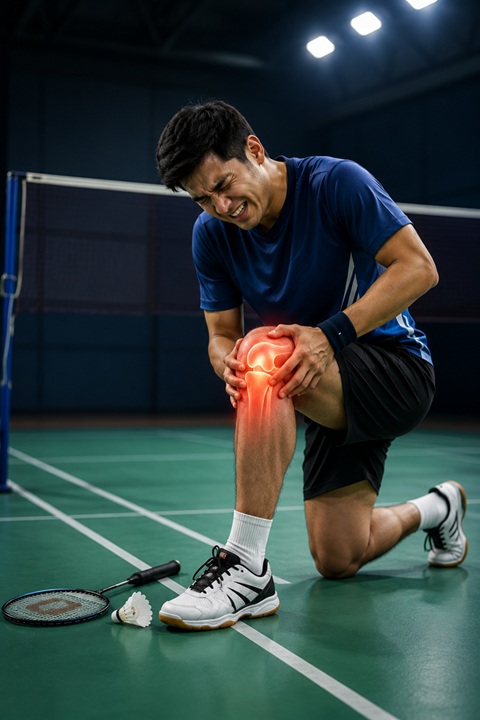
Sports Injury most of the times occurs due to weak, inactivate muscles suddenly tend to become active it get strain or muscle pull that needs to be treated

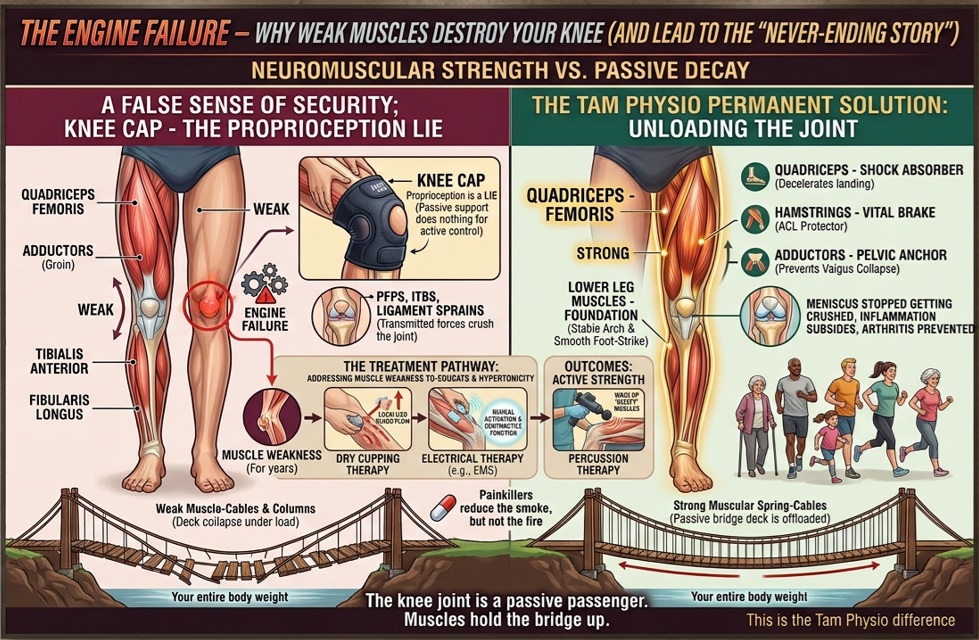
Think about it. When you sprint, your knee absorbs forces up to seven times your body weight. When you cut, pivot, or land from a jump, that force shoots through your joint in milliseconds. Your knee doesn't have a brain; it doesn't decide to 'hold up' under that pressure. It is entirely dependent on the muscles around it to absorb that energy.If your quads, hamstrings, glutes, and lower leg muscles are strong and firing in the right sequence, that massive force is absorbed like a spring. You feel powerful, explosive, and resilient.But the moment those muscles get weak, tired, or imbalanced? That force doesn't disappear. Physics doesn't care about your pain. It transfers that entire load directly onto the passive structures—the cartilage, the meniscus, the bones. Your knee becomes a crushing vice instead of a well-oiled hinge.That is why we see 18-year-old athletes with degenerative knees and 40-year-old weekend warriors being told they need replacements. It is not 'wear and tear' from playing the sport. It is 'wear and tear' from lack of muscular support while playing the sport.At Tam Physio, we don’t see sports as the enemy of the knee. We see weak, unaddressed muscle imbalances as the enemy. And we are here today to show you exactly how to fix it."
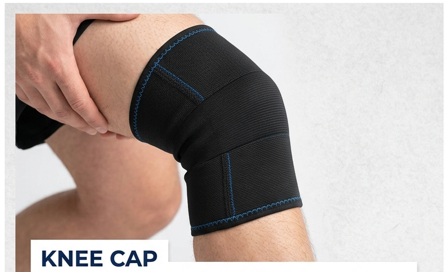
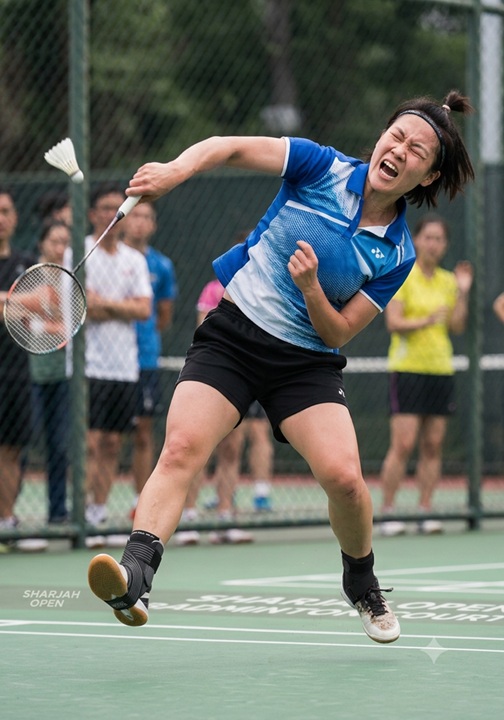
The Great Deception Why Knee Caps & Ankle Support are Cheating You

That knee cap is cheating you. It is robbing you of your strength, and it is setting you up for a catastrophic injury down the line.

Here is what happens: You feel that familiar twinge in your knee during a badminton match. You get scared. You worry about injuring it further. So, you go to the pharmacy or order a flashy, high-end support online. You slip it on, feel the compression, feel the warmth, and suddenly... you feel safe. You feel stable. You walk back onto the court, convinced you have "fixed" the problem.

The compression from a knee cap stimulates your skin's nerve endings. This creates a phenomenon called increased proprioceptive feedback. In plain English: the tight sleeve tricks your brain into feeling like your knee is more stable than it actually is. It is a neurological placebo. You feel secure, so your brain allows you to push harder, jump higher, and cut sharper. But here is the catch: While your brain is being fooled by this false security, your muscles are checking out. The knee cap offers zero mechanical support to your quadriceps. It does not help your VMO track your kneecap. It does not assist your gluteus medius in stabilizing your hip. You are putting a band-aid on a broken engine and then revving it to redline. You are asking your weak, fatigued muscles to perform at 100% intensity, but you have given them a sensory "trick" that makes you ignore their screaming fatigue signals.

KNEE CAP The Proprioception Lie A False Sense of Security
Knee cap (Support) but No Benefit

Let’s talk physics. A knee cap or ankle support is made of stretchy fabric and maybe some metal hinges. That fabric can withstand maybe 5-10 pounds of force. Now, think about a badminton lunge. When you lunge deep to the front court, your knee experiences a force of 300 to 500 pounds of pressure. Do you honestly believe a 2-millimeter piece of neoprene is going to hold your knee together against 400 pounds of force? It is not. The only thing that can withstand that 400 pounds of pressure is your muscle mass—your quads, your hamstrings, and your glutes. By wearing a knee cap, you are outsourcing your stability to a piece of fabric that cannot possibly do the job. You are cheating your body out of the stimulus it needs to grow stronger.

The Mechanical Cheat – External vs. Internal Support A False Sense of Securityu
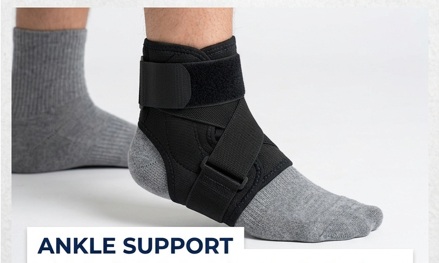
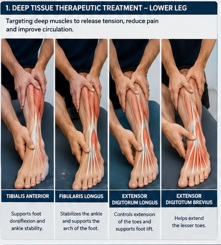
FAILED-ANKLE-SUPPORT

This is the most dangerous part. When you strap on a rigid ankle brace or a tight knee sleeve, you are providing external support. When the brain senses that external support, it sends a subconscious signal to the surrounding muscles: "Relax. The brace has got this." This is called muscle inhibition. Your quadriceps and fibularis longus actually decrease their firing rate when you wear a support. They become lazy. They switch off. Over weeks and months of wearing these supports, your muscles atrophy. They get weaker. They get smaller. You are essentially putting your knee's supporting muscles in a cast. And when you finally take that brace off? Your knee is weaker than when you started. You have become dependent on the brace.

The "Proprioceptive Shutdown" Muscles Go to Sleep
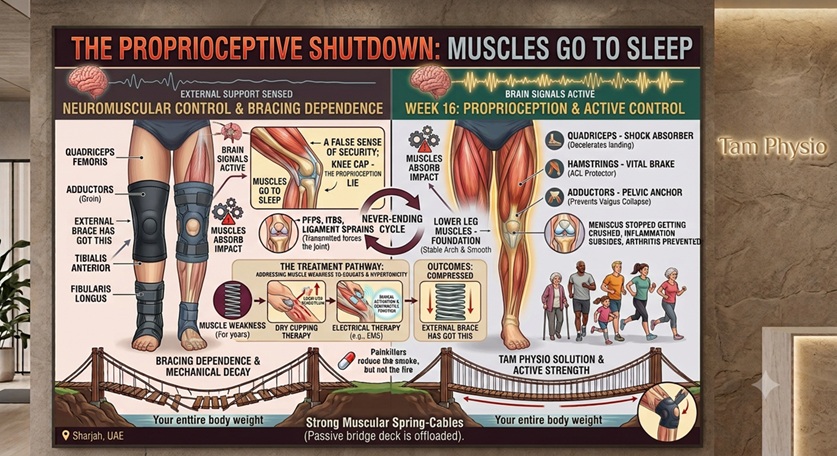
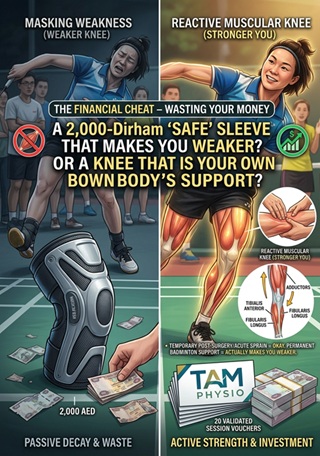
KNEE SUPPORT VS. MANUAL THERAPY

At Tam Physio, we don't sell you a brace. We build you a better body. We strengthen your quads so they act like internal knee caps. We strengthen your calves and peroneals so they act like internal ankle braces. We get you off the external supports and onto the court with bulletproof confidence—confidence that comes from genuine muscle strength, not a false sense of security from a piece of fabric. Stop cheating yourself. Start strengthening yourself. That is the Tam Physio way.

Therapeutic Treatment is Better than Aartifical Support (Knee Cap/Ankle Support) Nothing replaces original
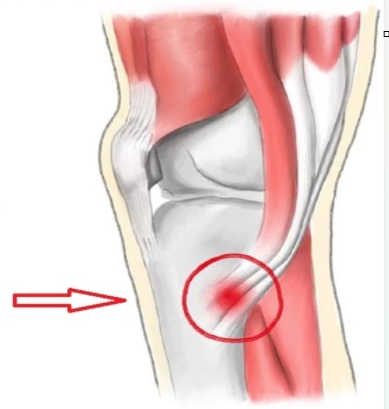
Therapeutic-massage-Therapy_at-TAM-Physio-Rehab

Types of Knee Pain

Acute, Chronic, Degenerative Disease

Acute Knee Pain

Etiology and Pathophysiology

Acute knee pain develops suddenly, usually following an injury, fall, twisting movement, or sports activity. Common symptoms include swelling, sharp pain, instability, bruising, and difficulty walking. Early diagnosis and proper rehabilitation are important to prevent chronic problems.

Chronic Knee Pain

Etiology and Pathophysiology

Chronic knee pain persists for weeks or months and is often associated with degenerative conditions, repetitive strain, muscle imbalance, or previous injuries. Patients may experience stiffness, aching pain, reduced flexibility, and limitations in daily activities.

Degenerative Disease

Etiology and Pathophysiology

Knee osteoarthritis (OA) is a multifaceted degenerative disease driven by a complex interplay of biomechanical factors and chronic, low-grade inflammation within the joint . The etiology is often multifactorial, with key risk factors including:

Physiotherapy aims to:

Reduce pain and inflammation Improve joint mobility Strengthen surrounding muscles Improve balance and walking pattern Delay progression of degeneration

Knee Pain in not always a Knee Problem

Why Treating Only the Knee Often Doesn't Solve the Problem

Many people believe that if their knee hurts, the problem must be inside the knee joint. In reality, this is often not the case.


The Muscles That Protect Your Knees

Don't Let Your Knee Supporting Muscles Get Weaker

Your knee works as part of a chain that includes your hips, thighs, lower legs, ankles, and feet. If the muscles that support these areas become weak, tight, or unbalanced, the knee has to work harder. Over time, this extra stress can lead to pain, swelling, stiffness, and even repeated injuries.

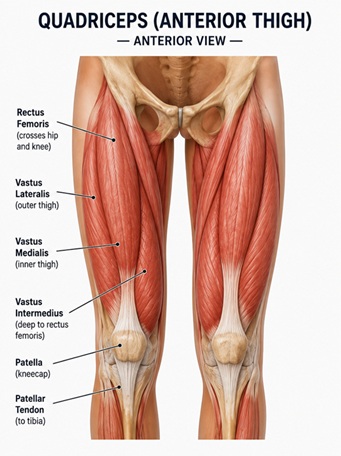
Quads Anterior Thigh Mucles

Quadriceps Femoris

(Front of Thigh)

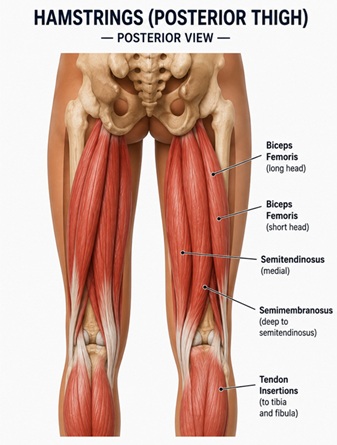
Hamstrings (Back of the Thigh)

Hamstrings

(Back of the Thigh)
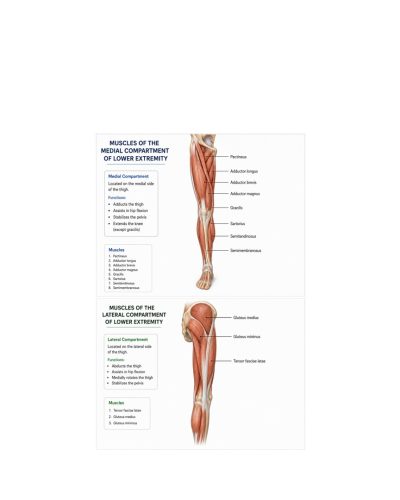
Medial Compartment Muscles

Hip Adductors

(Inner Thigh)

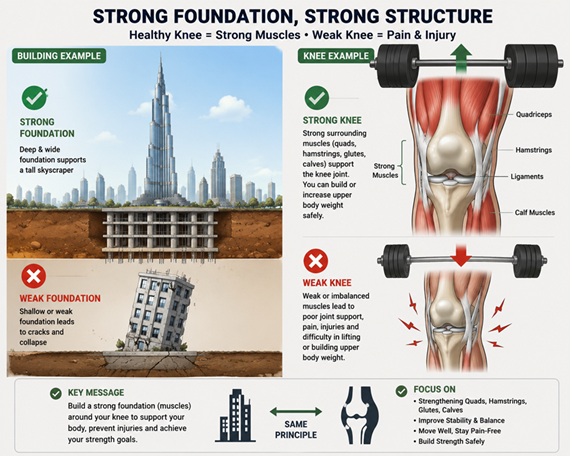
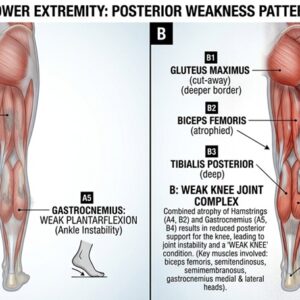
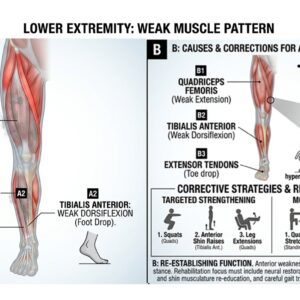
Strong Muscles Strong Structure, Weak Muscles Weak Structure

Strong Muscles Strong Knee

Weak Muscles Weak Knee

What is Knee Sprain

A knee sprain occurs when one or more ligaments of the knee are stretched or torn due to twisting, sudden impact, or sports injuries.

ACL Sprain Symptoms

  • A popping sensation
  • Immediate swelling
  • Knee instability
  • Difficulty walking

MCL Sprain Symptoms

  • Pain on the inner side of the knee
  • Swelling
  • Tenderness
  • Difficulty walking
  • Instability during movement

LCL Sprain Symptoms

  • Pain on the outer side of the knee
  • Swelling
  • Instability
  • Difficulty changing direction while walking or running

A structured rehabilitation program helps regain strength, stability, and confidence.

Don't let knee pain limit your worship—seek treatment, regain movement

Knee Pain during Prayers

StopBlaming Your Age. Start Blaming Your Weak Glutes & Quads

Living with knee pain and a sedentary lifestyle is a vicious cycle. You hurt, so you sit. You sit, so your quads, hamstrings, and adductors weaken. They weaken, so your knee takes all the load. And the cycle repeats. Break it Today!

Most people ignore the "support crew" of the knee. They focus on the pain, not the cause. But here’s the secret: Strong adductors keep your kneecap tracking straight. Strong quads absorb the impact. Strong hamstrings hold you upright.

We don’t need to spend months in the gym. We need to assess your weak links, activate them with a few strategic sessions, and then empower you with simple home exercises.

The "never too late" mantra is real. Your muscles don't care how old you are—they only care about tension and time.
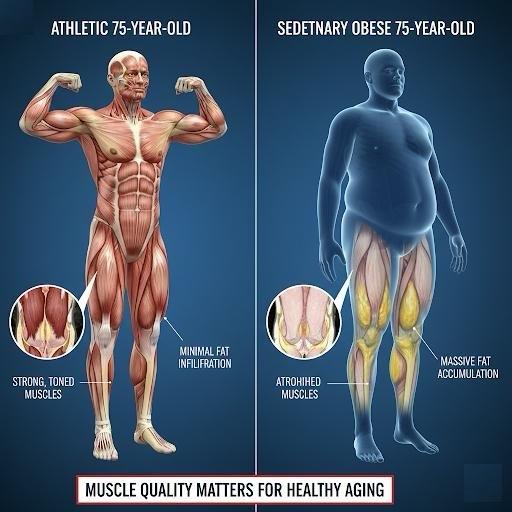
Our comprehensive evaluation includes:

Detailed medical history
✓ Posture analysis
✓ Gait and walking analysis
✓ Joint range of motion assessment
✓ Muscle strength testing
✓ Ligament stability tests
✓ Meniscal and cartilage special tests
✓ Functional movement assessment
✓ Sports-specific evaluation when required

SEDENTARY ATHELETE

How Do We Treat Knee Pain @TAM Physio Clinic- Sharjah

Your Knee Pain Isn't a Joint Problem. It's a Chain Reaction—and We Treat Every Link.

At TAM I Physio & Rehab, we know that squatting, climbing stairs, running, or even standing for prayers isn't just about your knee cap. It's about a chain of muscles from your shin to your glutes that must work in harmony. When one link tightens and another weakens, your knee takes the hit.

Here is our comprehensive, head-to-toe protocol to get you back to life—pain free:

Pain Lives in Layers—So Does Our Cure. Welcome to the TAM Multi Modality (MM) Approach.
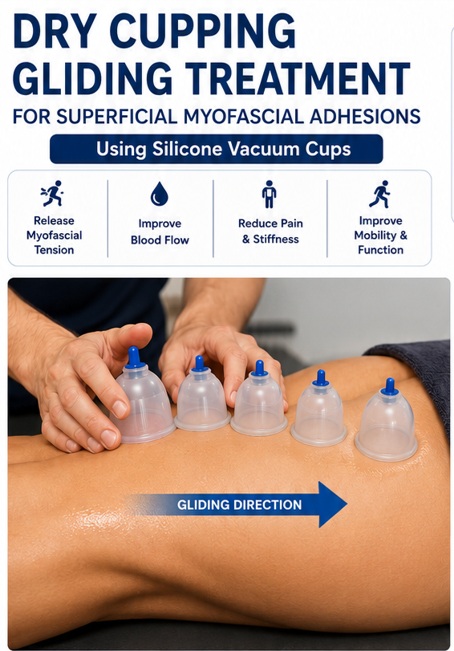
Dry-Glidinging-Cupping-for-superficial-myofascial Adhesions

Dry Cupping Gliding Treatment

We begin by lifting and separating superficial myofascial adhesions. This decompresses the skin and outer fascia, creating space for blood to flow and releasing the tight "wrapping" that restricts your knee's natural glide.
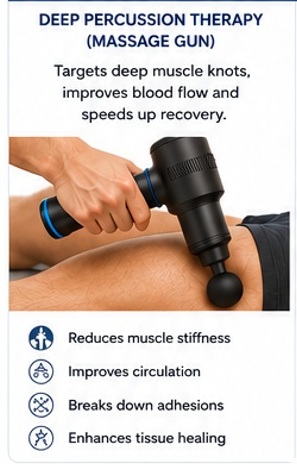
Percussion Therapy for Deep Myofascial Adhesions

Percussion Therapy

We then drive deep into the core. This high-frequency mechanical force shatters deep-seated taut bands and stubborn myofascial adhesions that manual hands simply cannot reach. It breaks down the rigid "knots" buried beneath layers of muscle, freeing tissues that have been locked down for years.
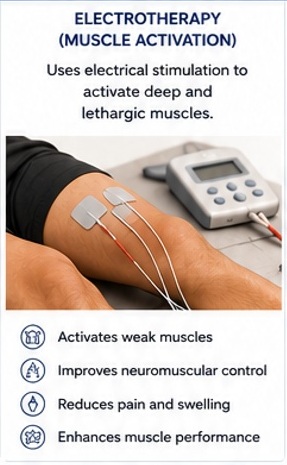
Electrotherapy For Activation of Weak Muscles

Electrotherapy

With the physical restrictions released, we now rewire the brain-to-muscle connection. We use targeted electrotherapy to forcefully activate weak, inhibited, and "sleeping" muscles—re-educating them to fire correctly so they can finally support your knee joint under load.

This thorough approach helps us create a personalized treatment plan for faster and long-lasting recovery.

Why Choose TAM Physio & Rehab Clinic for Knee Pain?

SHA Licensed Physiotherapists International Clinical Experience Evidence-Based Physiotherapy Comprehensive Biomechanical Assessment Individualized Rehabilitation Programs Sports Injury & Post-Surgical Rehabilitation Modern Therapeutic Equipment Patient-Centered Care

FAQ

What are the common causes of knee pain?

Knee pain can occur due to sports injuries, ligament sprains, osteoarthritis, meniscal injuries, muscle weakness, overuse, poor posture, or age-related wear and tear. A detailed assessment helps identify the exact cause and guides appropriate treatment.

When should I see a physiotherapist for knee pain?

You should consult a physiotherapist if your knee pain lasts more than a few days, is associated with swelling, instability, difficulty walking, reduced range of motion, or interferes with your daily activities and sports.

Can physiotherapy help knee osteoarthritis?

Yes. Physiotherapy is one of the most effective non-surgical treatments for knee osteoarthritis. Treatment focuses on reducing pain, improving joint mobility, strengthening muscles around the knee, improving balance, and enhancing your ability to perform daily activities.

What is an ACL injury?

The Anterior Cruciate Ligament (ACL) is one of the major ligaments that stabilizes the knee. ACL injuries usually occur during sports involving sudden twisting, pivoting, or landing awkwardly. Symptoms may include a popping sensation, swelling, pain, and instability of the knee.

What is the difference between ACL, MCL, and LCL injuries?

The ACL is located in the center of the knee and controls forward movement and rotation. The MCL is on the inner side of the knee and resists inward forces, while the LCL is on the outer side and provides lateral stability. Each ligament injury requires a specific rehabilitation approach.

What is an ACL injury?

The Anterior Cruciate Ligament (ACL) is one of the major ligaments that stabilizes the knee. ACL injuries usually occur during sports involving sudden twisting, pivoting, or landing awkwardly. Symptoms may include a popping sensation, swelling, pain, and instability of the knee.

How is knee pain assessed at TAM Physio & Rehab Clinic?

Our physiotherapists perform a comprehensive evaluation that includes medical history, posture analysis, gait assessment, range of motion testing, muscle strength evaluation, ligament stability tests, and specialized orthopedic tests. This helps us identify the root cause of your symptoms and create a personalized treatment plan.

I have difficulty sitting on the floor while doing salath (prayer) due to knee pain. Can physiotherapy help?

Yes. Physiotherapy can help improve knee flexibility, joint mobility, muscle strength, and movement patterns. Many patients experience significant improvement in their ability to sit, kneel, and perform daily activities comfortably after a structured rehabilitation program.

Is knee pain always permanent?

No. Many knee conditions are treatable. Depending on the cause, physiotherapy, exercise therapy, manual therapy, and lifestyle modifications can effectively reduce pain and improve knee function without surgery.

Why do some people continue to suffer from knee pain for years?

Many people delay treatment because they believe knee pain is untreatable, a natural consequence of aging, or something they simply have to live with. Early assessment and appropriate treatment often lead to better outcomes and improved quality of life.

Can I continue praying if I have knee pain?

In many cases, yes. Your physiotherapist can advise you on safe movements, exercises, and modifications to reduce discomfort while improving knee function. The goal of treatment is to help you perform your daily activities and prayers with greater comfort and confidence.

See What Our Clients Have To Say...

©2026. Tam Physio & Rehab Clinic. All Rights Reserved.

Scroll to Top