Thoracic Outlet Syndrome Treatment in Sharjah-UAE | Expert Physiotherapy for Neck, Shoulder & Arm Pain
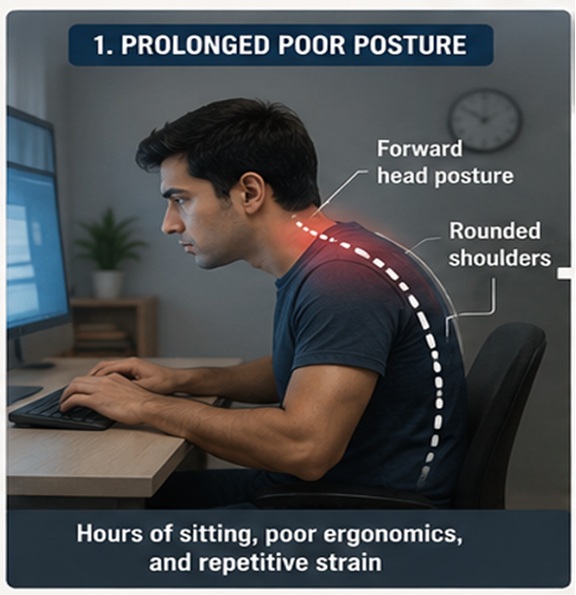
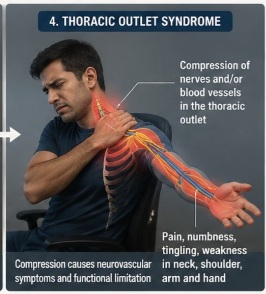
Thoracic Outlet Syndrome (TOS) is a condition caused by compression of the nerves or blood vessels between the neck and shoulder region. Prolonged mobile phone use, poor posture, repetitive overhead activities, and muscle tightness can contribute to the development of TOS. At TAM Physio & Rehab, our specialized physiotherapy programs combine manual therapy, brachial plexus release techniques, sports physiotherapy, postural correction, stretching, and strengthening exercises to reduce pain, restore mobility, and improve quality of life
In today's digital era, prolonged use of smartphones, tablets, laptops, and other electronic devices has significantly increased neck and shoulder-related disorders.
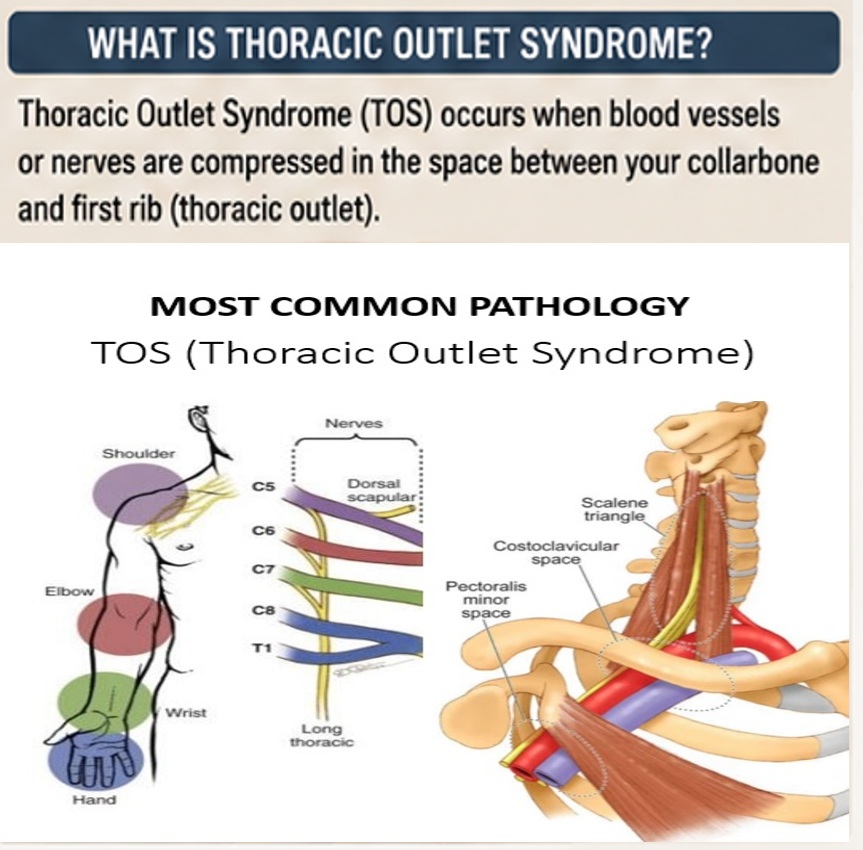
One commonly overlooked condition is Thoracic Outlet Syndrome (TOS).
Thoracic Outlet Syndrome occurs when nerves of the brachial plexus or blood vessels become compressed in the narrow passage between the neck, collarbone, and upper chest. This compression can cause pain, numbness, tingling, weakness, and discomfort extending from the neck into the shoulder, arm, and hand.Early diagnosis and appropriate physiotherapy intervention can significantly improve symptoms and prevent long-term complications.
Common Causes of Thoracic Outlet SyndromeProlonged forward head posture while using mobile phonesExtended computer and desk workPoor sitting postureRounded shoulders and upper back stiffnessRepetitive overhead activitiesSports-related injuriesWhiplash and neck traumaTight scalene, pectoral, and upper trapezius musclesCarrying heavy bags on one shoulderCongenital anatomical variations such as cervical ribsCommon
Symptoms of Thoracic Outlet Syndrome
Neck pain and stiffness
Shoulder pain
Tingling and numbness in the arm and fingers
Weak grip strength
Heaviness in the arm
Headaches related to neck tension
Increased symptoms while using a phone or computer. Pain during overhead activities Coldness or discoloration of the hand in vascular cases.
Treatment Options:
1-Manual Physiotherapy
2-Brachial Plexus Stripping and Neural Release
3-Sports Physiotherapy
1-Manual Physiotherapy Helps Thoracic Outlet Syndrome.
Manual physiotherapy is one of the most effective conservative treatments for Thoracic Outlet Syndrome. Skilled hands-on techniques help reduce muscle tightness, restore normal movement, and relieve nerve compression.
Benefits include:
Reduction of nerve irritation
Improved neck and shoulder mobility.
Better posture and spinal alignment.
Enhanced blood circulation.
Reduced muscle tension
Faster recovery from chronic symptoms
Improved daily function and productivity.
Decreased risk of recurrence
2- Brachial Plexus Stripping and Neural Release Techniques:
The brachial plexus is a network of nerves that travels from the neck into the arm. Tight surrounding muscles and fascial restrictions can compress these nerves and contribute to TOS symptoms.Specialized brachial plexus release techniques may help:
Decrease nerve entrapment Improve neural mobility
Reduce numbness and tingling
Relieve radiating arm pain
Improve arm strength and function
Restore normal nerve gliding
Reduce chronic inflammation around nerve pathway
3- Sports Physiotherapy Helps:
Sports physiotherapy focuses on correcting movement dysfunctions and restoring optimal biomechanics.
Sports physiotherapy can:
Improve shoulder stability, correct muscular imbalances
enhance posture during work and sports
Improve flexibility and mobility
Strengthen deep neck and scapular muscles
Reduce strain on nerves and blood vessels
Prevent recurrence of symptoms
Athletes and active individuals often benefit from sport-specific rehabilitation programs that address the underlying cause of nerve compression.
If you’re a desk professional, student, or anyone living a predominantly sedentary life, listen up! That “tech neck” and those weak shoulder muscles are doing more than just causing discomfort.Over time, poor posture can lead to Brachial Plexus Impingement, where the network of nerves from your neck to your arm gets compressed. If left unaddressed, this can progress into a more complex condition like Thoracic Outlet Syndrome (TOS).
The Silent Progression:
In your 20s/30s: You’re energetic, you power through the stiffness. A regular massage seems like a luxury, not a necessity.
Years later: The occasional ache becomes chronic pain, numbness, weakness in your hands, and debilitating headaches
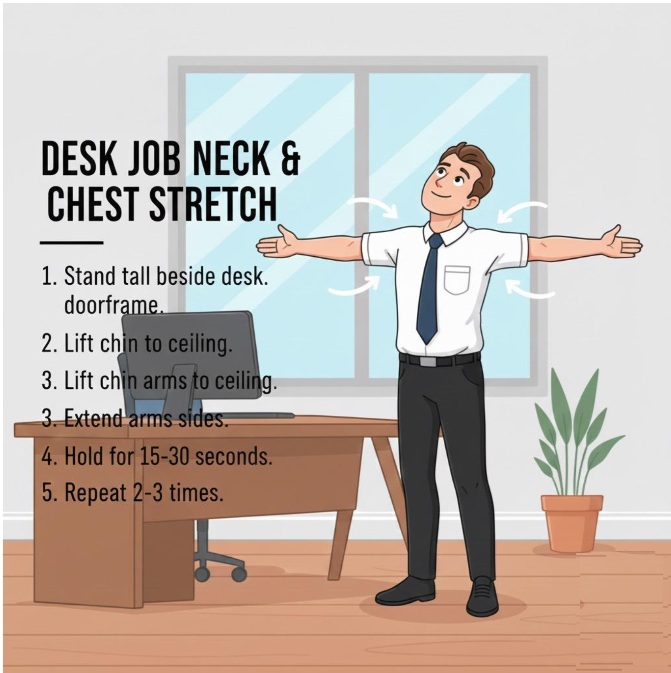
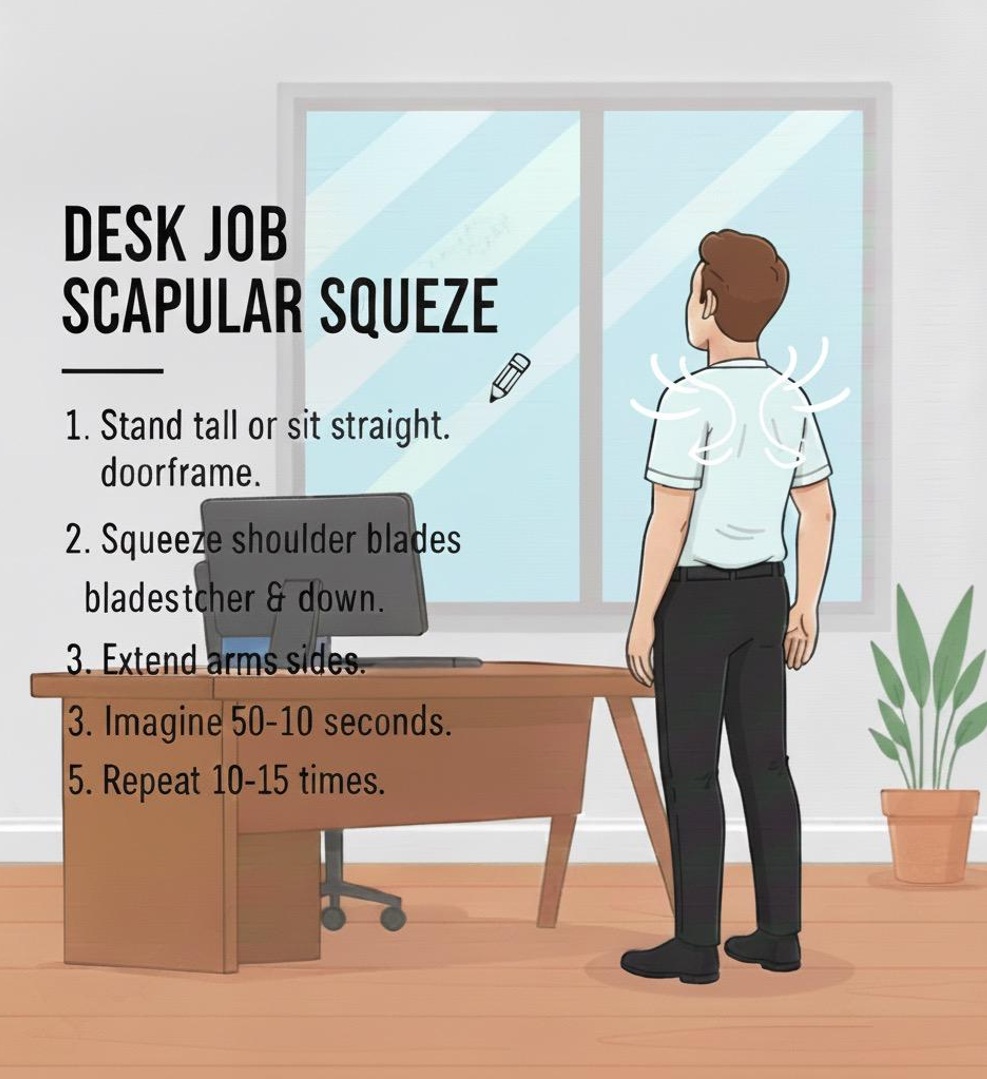
The "Must Do" Exercises During Office Hours
10–15 Minute Desk Warm-Up (Every 3 Hours)Part
1: Mobility (3 minutes)· Seated pelvic tilts – 30 sec· Seated knee-to-chest (each side) – 30 sec· Seated figure-4 stretch (each side) – 30 secPart
2: Active Stretches (5–6 minutes)· Standing hip flexor “scissor” stretch (each side) – 1 min per side· Standing quad pull (each side) – 30 sec per side· Butt kicks (in place) – 30 secPart
3: Activation (2–3 minutes)· Glute bridges (standing or on floor if possible) – 1 min· High knees (slow, controlled) – 1 min Cooldown (1 minute)·
Deep breathing while holding one final hip flexor stretch – 30 sec per side---
Why This Works at 3-Hour Intervals·
Muscles begin tightening noticeably after 90 minutes, but a longer 10–15 min session every 3 hours still reverses most of the shortening.· The active component (butt kicks, high knees) restores blood flow and length better than static stretching alone.
Practical Tip for Managers·
Set a shared calendar alert every 3 hours: “Warm-up break – 10 min.”· Lead the first one of the day so staff see it’s supported, not penalized.Would you like a printable one-page PDF of this routine to hang in the break area?